Here's the thing about buying gifts for serious home cooks: the obvious stuff is almost always wrong. A knife block set from a department store, a spice collection in matching tins, a "gourmet" gift basket. These feel safe, but they're deeply uninspiring to someone who already spends their Saturday mornings at the farmers market and keeps a notebook of restaurant dishes they want to recreate. What they actually want is the thing they've been looking at for six months but won't quite justify buying for themselves.
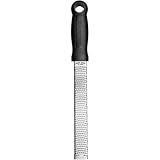
- Top pickMicroplane Classic Zester/Grater~$15
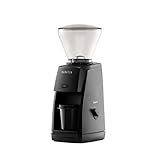
- Worth the splurgeBaratza Encore ESP Burr Grinder~$200
This list is for that person. Eight picks across three price tiers — under $30, under $75, and a couple of worth-every-penny splurges — plus an honest word about what to skip and why.
What to skip (and why everyone gives it)
Knife sets. Pre-assembled knife blocks are almost always a bad investment — you get five mediocre knives when one good one would have been worth ten times more. A serious cook either already owns good knives or has specific opinions about what they want. Unless you know exactly what blade they're missing, skip it.
Spice collections in cute tins. They look wonderful. They often aren't great — low quality, pre-ground months ago, and sold for the presentation premium. If you want to give spices, buy from a place like Burlap & Barrel or Diaspora Co. and write a note about why you chose that one. That beats a $60 matching set every time.
Generic "cooking for one" or "cocktail" gift sets. The cook on your list has specific interests. A generic assortment sends the message that you didn't think too hard about it. The picks below send the opposite message.
Under $30: the high-ROI picks
This price range is where you find the tools that pros use every day and home cooks always forget to buy for themselves. Small, unglamorous, and immediately useful — the best gifts in the category.
Under $75: tools they've been meaning to get
The middle tier is where the best gift-giving lives for cooks. These are items they've probably researched and almost bought — but talked themselves out of because spending $50 on a pan feels frivolous when you already have pans. Gift logic overrides that friction.

Splurge picks: the things they'll remember
For the cook who has most of the everyday tools and is ready for something that feels like a real treat. These are higher-dollar picks that make a meaningful difference in the kitchen and make clear you actually thought about what would land.
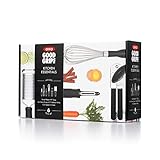
The "what they actually want" principle
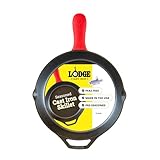
The best kitchen gifts are the ones that remove friction from a process the cook already loves. A Microplane removes the friction of zesting. A Lodge skillet removes the friction of "my pan isn't hot enough." An Instant Pot removes the friction of weeknight beans-from-scratch being a two-hour commitment.
When you're not sure what to get: think about what they cook most, and ask yourself what would make that easier or more satisfying. Then look for the best-in-class tool for that task at a price point you're comfortable with. The result is almost always better than a curated gift set.
One more thing: a cookbook from a writer whose perspective they'd love is worth considering. Salt Fat Acid Heat by Samin Nosrat (~$22) teaches cooking rather than just recipes — it's the book many serious cooks credit with changing how they think about food. That's the gift that keeps showing up in the kitchen for years.
What do you get someone who already has all the kitchen gear?
The consumable upgrade: a really good bottle of finishing olive oil, high-quality flaky salt (Maldon or Jacobsen), or a specialty ingredient from a producer they wouldn't discover on their own. Alternatively, a cookbook from a chef they admire. The Microplane and Silpat are also the rare items that serious cooks often still don't own — both are under $30 and immediately useful.
Is a knife really not a good gift for a cook?
A single, specific, great knife can be a wonderful gift — if you know exactly which one they want or need. A knife set almost never is. If you want to go the knife route, buy one excellent chef's knife (the Victorinox Fibrox Pro at $45 is the honest answer) and skip the block. Even better: ask them if there's a specific blade they've been wanting.
What's the best kitchen gift under $25?
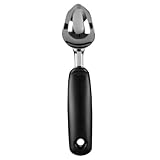
The Microplane Classic Zester ($15) is the single best value in kitchen gifting. It's a tool that every serious cook uses constantly, few people think to buy for themselves, and that visibly improves multiple cooking tasks. The OXO can opener ($18) is a close second — absurdly useful and the kind of upgrade that makes someone immediately question every other tool in their kitchen.
Is the Instant Pot worth it as a gift?
Yes, with the caveat that they actually have to use it. Instant Pots work best for people who cook beans, grains, braised meats, soups, and stocks regularly — it cuts active time dramatically. If your cook already has a 3-quart model, the 6-quart is a genuinely meaningful upgrade. If they've mentioned wanting one and haven't bought it, that's your answer.
What's a good gift for a cook who bakes specifically?
The Silpat baking mat ($25) and a digital kitchen scale ($20-30) are both essential baking tools that many home bakers work without. A scale is how professional bakers measure — by weight, not volume — and it improves results immediately and repeatably. The Silpat replaces parchment paper for every baking task. Both are practical, specific to baking, and feel like an upgrade rather than an afterthought.
Does a cast iron pan need any special care?
Less than its reputation suggests. After cooking: wash with warm water and a brush (no harsh soap), dry completely (important — rust forms if it stays wet), and rub lightly with a neutral oil before storing. That's it. A well-maintained cast iron improves with every use as the seasoning builds up. It's not fragile — it's the opposite — but it does need to be dried, not left wet in the dish rack.