Every family hits the same wall eventually: the grandparents have reached the stage of life where they don't need more stuff. They've downsized, or they're thinking about it. The china cabinet is full. The garage is organized exactly how they like it. And every December you're standing in a store aisle wondering how to get excited about buying yet another candle for someone who has genuinely already acquired everything.
- Top pickBearaby Weighted Blanket~$199
- Best budgetLodge 10.25in Cast Iron Skillet~$24
- Worth the splurgeSony WH-1000XM5 Headphones~$398
Here's the thing nobody tells you: "they have everything" rarely means they have everything good — it means they have everything practical enough not to replace. There's a difference between a gift that fills a gap and one that upgrades something they already own but wouldn't buy a nicer version of themselves. That second category is where you want to shop. Below are the gifts that have actually landed well in real families — comfort upgrades, daily-ritual objects, and one or two heirloom-adjacent things worth the extra spend — plus the stuff that sounds thoughtful and lands with a polite, confused thank-you instead.
For the grandparent who's always cold and never says so
There's a specific kind of stubbornness that shows up after 65: the refusal to turn the thermostat up because "it's fine," paired with three sweaters worn at once. You cannot fix the thermostat standoff. You can fix the being-cold part.
Both of these solve a problem your grandparent has probably just quietly adapted to instead of fixing — the extra blanket kept on the couch, the eye mask bought once and lost. That's exactly the kind of gift that gets used every single night rather than displayed once and forgotten.
For the one who's turned the kitchen into a daily ritual
If your grandparent has a specific coffee order, a specific mug, a specific time they do it — that's not a hobby, that's a ritual, and rituals are where good gifts live. You're not introducing something new. You're making the existing thing better.
The reason this category works so well for grandparents specifically: it respects a routine they already have instead of asking them to start a new one. Nobody wants to be handed a gadget that implies they need to change their life. Everybody appreciates the version of their existing habit done slightly better.
The heirloom nobody expects, but everyone remembers
Most gifts get used up, worn out, or quietly donated within a few years. A handful of objects don't — they get passed down, and the person who gave them gets remembered every time. Cast iron is one of the only kitchen items that reliably falls into that second category.

If they already have a cast iron pan (many grandparents do), this doesn't have to be redundant — a second, smaller size for eggs and single servings is its own gift, and it means less waiting around for the big pan to be free and washed.
For grandparents who keep losing their keys (and won't admit it)
This is a delicate one. Nobody wants a gift that says "I've noticed you're getting more forgetful." But there's a version of this gift that reads as thoughtful instead of pointed, and it's worth the distinction.

If the household is mixed Android and iPhone, or entirely Android, skip the AirTag and grab a Tile Mate instead — it's the one tracker that performs equally well on both platforms rather than favoring Apple's ecosystem.
For quiet evenings without the volume war
Every family with an aging parent or grandparent knows this fight: the TV volume creeping higher and higher until it's uncomfortable for everyone else in the room, or the arguments over captions, or someone leaving the room entirely during movie night. There's a gift for this, and it's not a hearing aid conversation you need to have — it's just better headphones.
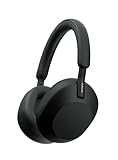
If $398 is more than you want to spend, the Bose QuietComfort 45 does 90% of the same job for meaningfully less, and honestly for a grandparent who mostly uses them for TV rather than travel or flights, that trade-off is easy to make.
Somewhere to actually put all those photos
Grandparents are, statistically, the people most likely to still have printed photos and no good place to put them, and the people most likely to genuinely enjoy a slow, physical, page-turning object over a digital photo frame that feels like one more screen to manage.


What to skip, even when it feels thoughtful
A few categories that sound like great grandparent gifts and consistently underperform in real life:
"World's Best Grandma/Grandpa" anything. Mugs, shirts, wind chimes — they know you love them. This is a sentiment, not a gift, and it tends to get one polite use and then a shelf.
Smart home gadgets they didn't ask for. A smart speaker or bulb sounds modern and useful, but if nobody's around to troubleshoot the app and the inevitable "it stopped working" call, it becomes frustration, not delight. If you go this route, set it up with them yourself — don't just unbox it.
Photo subscription boxes and monthly gadget clubs. These read as "I didn't want to think about this," and the ongoing charge is one more bill to track — the opposite of relaxing for someone simplifying their life.
Novelty kitchen gadgets. The avocado slicer, the electric wine opener, the single-use appliance — these get donated within a year because they don't earn a permanent spot on an already-organized counter.
The pattern: these gifts require the recipient to change a habit or manage a new commitment. The ones that actually get used slot into a life that's already working well, just a little better than before.
Frequently asked questions
What's actually the best gift for a grandparent who says they don't need anything?
Go for something that upgrades an existing daily habit rather than introduces a new one — a nicer coffee setup if they already drink coffee, better bedding if they already go to bed early, a second cast iron pan if they already cook. "I don't need anything" usually means "I don't need more stuff," not "there's nothing that would make my day better."
Is it rude to give a grandparent something practical instead of sentimental?
Not at all — for most grandparents past a certain age, practical is sentimental. A gift that makes their actual daily life easier or more comfortable reads as "I pay attention to how you live," which tends to land better than a decorative object that requires finding a place to display it.
Should I get matching gifts for both grandparents, or something individual for each?
Individual, when you can manage it. Couples who've been together decades usually have pretty distinct habits and preferences even after years of shared living — one drinks coffee, one drinks tea; one reads, one watches golf. A single shared gift often ends up belonging more to whichever person actually uses it, which can feel lopsided even when that's not the intent.
What if my grandparent has mobility or vision issues — does that change what's a good gift?
It shifts priorities rather than ruling categories out. Blackout curtains, weighted blankets, and floating shelves still work well. For vision issues, favor simple physical controls over anything requiring a small phone screen or app. For mobility, avoid gifts that need reaching, climbing, or complicated daily setup.
Is it better to give one nicer gift or several smaller ones?
Several smaller gifts often work better, because it creates more moments of "oh, this is nice" instead of one "oh, you shouldn't have" followed by mild guilt about the expense. A $45 Chemex plus a $25 book reads as more thoughtful than one $70 gadget, even at the same total cost.
What's a good gift if they've said they're trying to downsize?
Consumables and experiences beat objects here — good coffee, a meal out, tickets to something. If you do give an object, make sure it replaces something they already own (a nicer blanket instead of an extra one) rather than adding a new category of stuff to their home.
How much should I actually spend on a grandparent gift?
There's no universal number, but the items on this list range from about $24 to $400, and the cheaper ones aren't lesser gifts — a $24 cast iron skillet given with a story about why you chose it often means more than an expensive gadget given without much thought behind it. Match the spend to your budget and the relationship, not to a sense that bigger equals better.