Most get-well gifts are built for the giver, not the recipient. A balloon bouquet photographs well and says "I care," but it does nothing for someone on the couch with a fever, a fresh surgical incision, or a body that just isn't cooperating. The real job of a get-well package is quieter: reduce the small decisions someone has to make while they're not at full capacity, and make being stuck in one room for days less miserable. That's it. Frame it that way and the shopping list changes completely — less "cheerful basket," more "why did nobody think of this before."
- Top pickAmazon Basics Microfiber Sheets (Queen)~$28
- Best budgetThe Midnight Library~$13
- Worth the splurgeBearaby Weighted Blanket~$199
Start with the bed, not the basket
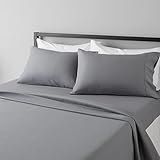
Anyone recovering from something serious enough to warrant a care package is going to spend an enormous number of hours horizontal. That makes the bed the highest-leverage item in the whole gift, and it's the one almost everyone skips in favor of a fruit basket. First: fresh sheets — soft, breathable, and easy to wash hot if nausea or night sweats are involved, which they often are. Microfiber dries fast and needs no special laundry care, which matters when the person doing the laundry is also exhausted.
Second, and this surprises people: a weighted blanket. It sounds like a wellness-influencer prop, but the deep pressure genuinely helps the restlessness and low-grade anxiety that comes with being sick or in pain for days on end — the same mechanism that makes a firm hug calming. For someone recovering from surgery, a lighter weighted blanket (under 15 pounds) just feels like being tucked in properly, which matters more than it should on the fourth couch-bound day in a row.
Fix the light and the temperature before anything else
Nobody talks about this, but the most miserable part of being sick at home usually isn't the illness itself — it's the room. Overhead lights too harsh for a headache. No blackout curtains, so the sun wakes you at 6am after a night of coughing. A thermostat nobody adjusted since the room's occupant became a person who's cold all the time and can't regulate their own temperature. Before buying a single cute item, ask whether the room itself is set up to let someone actually rest.
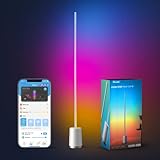
A dimmable corner lamp fixes the lighting half in one move — warm, adjustable light instead of a ceiling fixture with two settings: off and interrogation-room. Blackout curtains fix the other half, especially for anyone napping during the day after a rough night, which is common with pain, coughing, or medication schedules that don't match a normal sleep cycle.
A bedside station that keeps everything in arm's reach
Here's a detail almost nobody thinks about until they've been sick themselves: getting up is the hard part. Not watching TV, not being bored — physically getting up to get water, a tissue, the remote, or a charger. Every trip is a small tax on someone with very little energy to spend. The fix is embarrassingly simple and almost never in a gift basket: a small surface within arm's reach that holds everything they'll need, so getting up becomes optional instead of constant.
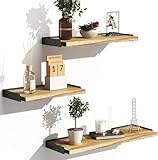
A slim floating shelf near the bed or couch works surprisingly well, even as a temporary setup — command-strip it to the wall if you don't want to drill, and use it for tissues, medication, a water bottle, a charger, and whatever book or remote they're using. Pair it with a large, easy-to-grip water bottle with a straw lid, since straw lids matter a lot when someone doesn't want to sit fully upright to drink.
Tea and hydration, done right
Staying hydrated is the most repeated piece of advice for basically every illness, and also the thing that falls apart fastest when someone doesn't feel like filling a glass of water for the fifth time in an hour. Tea helps because it's warm, soothing on a sore throat, and gives someone a small ritual to look forward to that isn't "take more medicine." The trick is making that ritual as low-effort as possible — nobody sick wants to fuss with a finicky kettle or hunt for tea bags gone stale in an open box.
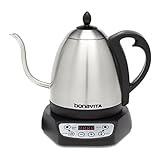
A one-touch variable-temperature kettle takes the guesswork out — set it, walk away, and it shuts off at the right temperature, no hovering required. And if you're sending an actual gift rather than raiding the kitchen, a good airtight canister keeps loose or bagged tea from going stale and losing whatever flavor made it comforting in the first place.
Something to read that isn't about being sick
This is a small thing that gets overlooked constantly: people recovering from something hard do not, in general, want to read a self-help book about resilience, or a memoir about someone else's illness, or anything with the word "journey" in the subtitle. What they usually want is an easy escape — something absorbing enough to make three hours pass without demanding much focus, especially if pain medication or fatigue has shortened their attention span. Light, well-paced fiction beats anything prescriptive here, every time.
The Midnight Library works especially well for this because the chapters are short, the premise is gentle and hopeful without being saccharine, and it doesn't require holding a dozen characters in your head at once — you can put it down for a nap and pick it back up without losing the thread.
What to skip: get-well gifts that quietly backfire
Flowers are the classic offender, and it's worth saying plainly: skip them for anyone with seasonal allergies, asthma, or a respiratory illness, which covers a huge share of "get well soon" occasions. Fragrant lilies in particular can trigger headaches and nausea in a room that's already stuffy from someone being confined to it all day. If you love the gesture, a small potted succulent gives the same "someone's thinking of you" signal without the pollen.
Food is the second big one, and it goes wrong more often than people expect. Homemade soup or a casserole is a lovely instinct, but it ignores dietary restrictions, medication interactions (grapefruit and certain antibiotics, for instance), and the fact that nausea from illness or anesthesia can make even a favorite food unappetizing for days. If you want to send food, ask first, or default to something shelf-stable and low-commitment like ginger candies or plain crackers that don't need refrigeration or an appetite to appreciate.
Scented candles are a near-universal miss for the same reason as flowers — a headache-prone or nauseated person does not want a room that smells strongly of anything, even something you personally find calming. Balloons and stuffed animals photograph well for a card but don't solve a single practical problem, and they take up space in a room that's already cluttered with medical supplies or takeout containers. And skip anything that reads as "get motivated" — inspirational quote mugs, "this too shall pass" wall art, workout gear "for when you're back on your feet." Recovery isn't a productivity project, and gifts that imply it should be one tend to land badly no matter how well-intentioned they are.
The through-line on all of this: the best get-well gift removes friction from someone's day rather than adding a new thing for them to manage, display, water, or apologize for not using yet. A soft set of sheets, a lamp that doesn't hurt to look at, a shelf that keeps the essentials close, and a book that doesn't demand much — none of it photographs as well as a balloon arch, but all of it actually gets used.
Frequently asked questions
What's actually the most useful item to send in a get-well package?
Something that reduces how often the person has to get up — a bedside shelf, a large water bottle with a straw lid, or fresh soft sheets. Comfort items that require zero setup or decision-making from someone who's exhausted beat anything decorative.
Are flowers really a bad get-well gift?
Not universally, but they're riskier than people assume. Skip fragrant varieties like lilies for anyone with allergies, asthma, or a respiratory illness — a stuffy sickroom plus strong pollen is a bad combination. A small unscented succulent gives the same gesture without the risk.
Should I send homemade food as a get-well gift?
Ask first. Dietary restrictions, medication interactions, and illness-related nausea all make homemade food more likely to go untouched than you'd expect. If you want to send something edible without asking, stick to shelf-stable, low-commitment options like ginger candies or plain crackers.
Is a weighted blanket actually helpful for someone who's sick, or is it just a trend?
It's genuinely useful for the restlessness and mild anxiety that come with being sick or recovering for an extended stretch — the deep, even pressure has a real calming effect, similar to a firm hug. Pick a lighter weight (under 15 pounds) for anyone recovering from surgery so it doesn't put pressure on a healing area.
What kind of book should I include in a get-well care package?
Light, absorbing fiction with short chapters beats anything prescriptive or illness-related. Attention spans shrink with fatigue and medication, so a book that's easy to put down and pick back up without losing the thread works far better than a dense memoir or a resilience-themed self-help title.
Are scented candles a good idea for a get-well gift?
Generally no. Even pleasant scents can worsen headaches or nausea in someone who's sick, and a sickroom is often already stuffy. A dimmable lamp does more for the room's comfort than any candle will, without the smell risk.
What's a good budget option if I can't spend much on a get-well gift?
A soft microfiber sheet set or a good book both land well under $30 and solve a real problem — comfort and distraction — better than a more expensive but decorative gift. Combine either one with a handwritten note; the gesture matters more than the price tag.