The best fitness tracker is the one you actually wear. This sounds obvious until you own a device that requires nightly charging and realize you are sleeping without it, which is when the sleep tracking — usually the most useful feature — becomes useless. Battery life and wearing comfort are more important than the number of sensors for most people.
The honest question: smartwatch or dedicated tracker?
If you are in the Apple ecosystem and want one device for notifications, Apple Pay, and fitness, the Apple Watch SE is the answer. It is cheaper than the main Apple Watch line, battery life is acceptable (18 hours), and it does the fitness basics well. If you just want accurate health tracking and do not need to answer texts from your wrist, a dedicated tracker will be more accurate, cheaper, and have dramatically better battery life.
The best dedicated tracker: Fitbit Charge 6
The Fitbit Charge 6 has the deepest health tracking at its price point — continuous ECG, accurate heart rate, SpO2 monitoring, sleep staging, and stress scoring. Seven-day battery life means you charge it on Sunday night and forget about it for a week. The Google integration (since Google acquired Fitbit) adds Maps and Wallet functionality without making it a full smartwatch.
If you work out specifically: Garmin
Garmin builds trackers for people who take their metrics seriously. The Vivosmart 5 is the slim, everyday version — accurate GPS tracking, detailed workout analytics, 7-day battery, and the Garmin ecosystem that runners and cyclists already trust. The data depth is noticeably higher than Fitbit if you care about VO2 max, training load, and recovery time.
What to skip
Any tracker that requires daily charging. You will stop wearing it within two weeks. Daily charging means you are almost certainly sleeping without it, which defeats the point of sleep tracking entirely.
Fashion-forward trackers with minimal sensors. Several brands sell attractive wristbands with step counting and little else. If that is all you want, your phone does it already.
WHOOP for most people. WHOOP is excellent for serious athletes who want granular recovery data. The subscription model ($30/month) and the emphasis on recovery over features makes it wrong for the casual user who just wants to know if they are sleeping enough.
The workout audio companion
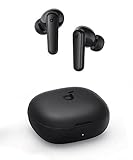
A tracker tells you you should work out. The right earbuds make you actually want to. The Soundcore P3i earbuds are the best value workout earbuds — they stay in during sweaty sessions, sound noticeably better than the plastic earbuds that come with phones, and the case charges them fully in an hour.
Does a fitness tracker actually change your behavior?
For most people, yes, in the short term. The research on habit formation suggests tracking works best when it creates a visible record and a target — seeing your step count at 8,200 when the goal is 10,000 is a genuine behavioral nudge. The effect is strongest in the first 3 months of ownership. To maintain it, change your goals as you hit them.
Is sleep tracking accurate on wrist-based trackers?
Good enough to be useful, not perfect. Wrist-based sleep staging (light, deep, REM) has accuracy of around 70-80% compared to clinical polysomnography. The trends are reliable — if your tracker shows poor sleep quality for a week, that is meaningful. The exact minute-by-minute data is less precise than it looks.
How important is GPS in a fitness tracker?
Only important if you run or cycle outdoors and want route tracking and accurate pace data. For walking, indoor workouts, and general health monitoring, GPS drains battery and adds cost without adding much value. Most Fitbits use your phone's GPS for outdoor workouts, which is an acceptable compromise.
What is the best fitness tracker for someone who has never owned one?
The Fitbit Charge 6 for most people — the balance of accuracy, battery life, and ecosystem maturity is the best at its price point. The setup is easy, the app is well-designed, and seven days of battery means you will actually wear it consistently.
Should I wear a fitness tracker while sleeping?
Yes, if you care about sleep data. Most modern trackers are thin enough to be comfortable for sleep and the sleep tracking is where the health data gets genuinely interesting over time. If you find it uncomfortable, wear it on the non-dominant hand with a looser fit.