A Dutch oven is the rare kitchen purchase that genuinely gets better with age. It's also one of the most lied-about product categories on the internet — dozens of $40 enamel pots marketed as "Le Creuset alternatives" that warp, chip, and stain within six months. The truth is there are exactly two or three brands worth owning, one legendary cast iron that needs no enamel at all, and a lot of noise in between. Here's how to cut through it.
What a Dutch oven is actually good for
Before spending $100–$400, it's worth being honest about what you'll use this thing for. Dutch ovens excel at: braising short ribs and pork shoulder, making soups and stews that simmer for hours, baking no-knead bread with a perfect crust, frying chicken (the heavy base holds temperature when cold food hits hot oil), and cooking anything that needs to go from stovetop to oven. They do all of these things better than any other single piece of cookware.
What they're not good for: everyday sautéing (too heavy), weeknight pasta (a regular stockpot is faster), or anything requiring fast temperature changes. Buy one because you braise, bake bread, or make big-batch soups. Don't buy one because it looks good on the stove.
The Lodge cast iron case: skip the enamel entirely
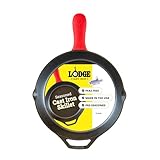
Here's the contrarian take that's worth hearing: for most of what people use Dutch ovens for, a bare cast iron skillet does the job at a fraction of the price. Lodge's 10.25" cast iron skillet is $24, will outlast any enamel pot you own by decades, can handle temperatures that would damage enamel, and develops a natural non-stick seasoning over time. It doesn't have the depth for a full braise, but for searing and shallow braising, nothing beats it.
If you're on the fence about whether you'll actually use a Dutch oven regularly, start here. You'll know within three months whether you need the full vessel.
The best Dutch oven under $100: Tramontina 6.5qt Enameled
The Tramontina enameled Dutch oven is the real answer when someone asks "is there a Le Creuset that doesn't cost $400?" It's a 6.5qt cast iron Dutch oven with a porcelain enamel interior, a wide flat base that works on induction, and a lid that fits well enough to maintain a proper braise. It's made in Brazil (same country as their excellent non-stick pans), and it consistently tests within striking distance of pots that cost 3–4x more. For $65–85, it's the obvious starting point.
The caveats: the enamel is slightly thinner than Le Creuset or Staub, so it can chip if you bang it against a hard surface. Handle it respectfully and it'll last years. It's also heavier than it looks — a full braise in a 6.5qt pot approaches 15 pounds. Clear some lower cabinet space.
When Le Creuset is actually worth it
Le Creuset costs $350–$400 for a 5.5qt French oven. Is it worth it? If you cook four or more times a week and expect to use this pot for 20+ years, yes. The enamel is significantly thicker and more chip-resistant than budget alternatives. The color retention is better. The lid fit is tighter. The handles are more comfortable. And Le Creuset offers a lifetime warranty that they actually honor.
The people who own Le Creuset and use it constantly will tell you it's one of the best purchases they've made. The people who own it and use it twice a year will tell you the Tramontina is fine. Both are right. Know which category you're in before spending $400.
The Instant Pot angle: a different kind of braising vessel
If your primary use case for a Dutch oven is braising — pot roasts, short ribs, pulled pork — the Instant Pot Duo deserves a mention as a different kind of answer. Pressure cooking gets you the same collagen-breaking, connective-tissue-dissolving results as a 4-hour braise in about 60–90 minutes. It's not the same experience (no oven, no house filled with smell), and the texture differs slightly. But for weeknight practicality, it's genuinely useful. The 6qt Duo is the most versatile size.

What to skip: the brands that aren't worth it
The Dutch oven market is full of products positioned as "affordable alternatives" that are neither affordable (relative to value) nor good. A few patterns to avoid:
- Any enamel pot under $40. The casting is thinner, the enamel chips in the first year, and they often have inconsistent heat distribution. You'll replace it within two years and spend more in total than buying the Tramontina once.
- Gradient or novelty ombre enamel finishes. These are marketed hard on Instagram. The enamel quality is often secondary to the aesthetic. Pretty on the shelf, mediocre on the stove.
- Aluminum "Dutch ovens." The whole point is cast iron's heat retention and mass. Aluminum is lighter but doesn't perform the same way for low-and-slow cooking. These are just large aluminum pots with a marketing name.
The chef's knife that completes any braising setup
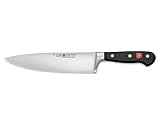
No braising session starts without prep work, and prep work lives or dies by your chef's knife. The Victorinox Fibrox 8" is the knife that culinary schools and food editors keep recommending because it's genuinely excellent at $45. You'll use it to break down a chuck roast, rough-chop aromatics, and mince garlic before anything goes in the pot.
Do I really need to spend $350 on a Le Creuset?
No — but the price is justified if you cook frequently and expect to use it for 15+ years. The Tramontina 6.5qt at $75 is the honest answer for most people. It performs similarly, the enamel is slightly less durable, and it costs a quarter of the price. If you cook 4+ times a week and treat your tools well, Le Creuset earns the investment. If you braise twice a month, start with Tramontina.
What size Dutch oven should I buy?
For 1–2 people: a 4–4.5qt is sufficient for most meals. For 3–4 people: 5.5–6qt is the standard recommendation and the most versatile size. For feeding 6+ or batch cooking: 7–8qt. When in doubt, go one size larger — a pot that's too small is a real problem during cooking.
Can I use a Dutch oven on an induction cooktop?
Cast iron and enameled cast iron are both induction-compatible. Verify the specific model lists induction compatibility — most do, but it's worth confirming before purchasing if induction is your primary cooktop.
What's the difference between a Dutch oven and a braiser?
A Dutch oven is taller and narrower with a domed lid — better for soups, stews, and bread baking where you need liquid volume. A braiser is wider and shallower — better for proteins you want submerged only halfway. Both work for braising; the Dutch oven is more versatile overall.
How do I clean an enameled Dutch oven?
Let it cool completely before washing — thermal shock can crack enamel. Warm soapy water and a soft brush handles most cleanup. For stuck-on bits, fill with water, bring to a simmer for 5 minutes, then wipe clean. Never use steel wool or abrasive cleaners on enamel. Bar Keeper's Friend removes stubborn stains without damaging enamel.
Is the Instant Pot a replacement for a Dutch oven?
No — they're complementary. An Instant Pot pressure cooks and gets you braise-level tenderness in 60–90 minutes instead of 4 hours. A Dutch oven gives you the oven-braise experience, better crust development on bread, and the ability to do deep stovetop frying. If you had to pick one for weeknight cooking, the Instant Pot is more frequently useful. If you cook for pleasure, you'll want both eventually.