Ask someone what they're reading right now and a lot of the time the honest answer is "the same book I always read." Not because they haven't discovered anything new. Because sometime around the fourth or fifth pass, a book stops being a story you're consuming and starts being a place you go. This is not a list of books to read for the first time. It's a look at the ones people already know cold — the ones with cracked spines, sticky-note tabs, and a specific paragraph they can recite — and the actual mechanics of why those particular books, and not the hundred other good ones sitting next to them on the shelf, are the ones that get worn out.
- Top pickPride and Prejudice by Jane Austen~$9
- Best budgetJane Eyre by Charlotte Brontë~$8
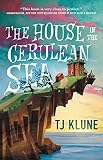
- Worth the splurgeThe House in the Cerulean Sea by TJ Klune~$12
The comfort math: why rereading actually works
A first read is work, even when it's enjoyable work. Your brain is doing constant prediction and correction — who is this character, will that detail matter later, is the narrator lying, how is this going to end. That low-grade vigilance is part of what makes a great book gripping the first time through. It's also, quietly, a form of stress. A reread strips almost all of that away. You already know who lives, who the villain turns out to be, whether the couple ends up together. With the anxiety of not-knowing removed, what's left is pure attention to the parts you actually love — a sentence, a joke, the way a scene is staged — without your nervous system also tracking a dozen open questions.
That's the real mechanism behind comfort reading, and it's closer to a known-outcome workout than a plot experience. Familiarity lowers the low-grade dread that comes with genuine uncertainty. A rereader isn't being lazy or unadventurous. They're choosing a controlled environment on purpose, the same way people rewatch the same sitcom instead of gambling on a new drama after a long day. Predictability isn't the opposite of pleasure here. For a rereader, it's the delivery mechanism for it.
Nostalgia does a second, separate job. A book you first read at 14 doesn't just contain a story — it contains a snapshot of who you were when you read it, which bedroom you were in, what you were avoiding that summer. Rereading it later isn't really about the plot at all. It's a controlled, safe way to visit an earlier version of yourself without having to actually go back and be that person again, with all the awkwardness that would involve.
The exact page people flip straight to
Ask a serious rereader which page they open to first and almost none of them say "page one." They have a scene. Pride and Prejudice rereaders skip straight to the second proposal in the rain, or Darcy's letter, because the tension of "will they end up together" was resolved on read one and what's left to enjoy is the craft of how Austen gets them there. Harry Potter rereaders flip to the Great Hall sorting, or the final chapter of whichever book they're in the mood for, not because they've forgotten what happens but because that specific scene is the emotional payload the whole book was built to deliver, and a reread lets you go straight to dessert.
This is the actual tell that separates a comfort read from a book someone merely liked. A book you read once, cover to cover, in order, and never touch again is a book you consumed. A book with a dog-eared page that isn't the first or last chapter — a page you'll open to on a bad day without reading anything around it — is a comfort read. The specific scene matters more than the whole book, and most people who reread constantly can name theirs without thinking about it.
The classics that get worn out on purpose
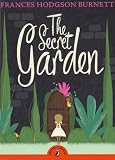
Some books earn reread status because they were built with exactly this kind of return trip in mind — dialogue-driven, structurally tight, funny enough on a second pass to reward close attention instead of punishing it for lack of surprise.



The genre comfort zone: fantasy, cozy, and found family
Outside the classics, an entire category of genre fiction gets reread just as hard, and for slightly different reasons. Long-running fantasy series and cozy, low-stakes stories share one trait: the world itself, not just the plot, is the draw. Once you've mapped the geography, learned the magic system, and met the characters, going back isn't about finding out what happens — it's about spending time in a place that already feels like yours.



What actually makes a book rereadable, versus just good
A great first read and a great reread are not the same skill, and plenty of excellent books only have the first one in them. Rereadability tends to come from structure, not from how strong the ending twist is. Books that hold up on repeat visits usually share three traits: the prose rewards slow attention instead of being built purely for momentum, the characters are consistent enough that revisiting them feels like seeing an old friend rather than rediscovering a stranger, and the emotional payoff doesn't depend entirely on the reader not knowing what's coming.
Tone matters more than most people expect, too. Books that are warm, funny, or gently melancholy tend to reread better than books that are relentlessly tense, because tension is a resource that gets spent on a first read and doesn't fully recharge. A cozy or a comfort fantasy can be reread on a random Tuesday for twenty minutes. A gripping thriller usually can't — which is the whole subject of the next section.
What to skip on a reread: books that were great exactly once
Not every good book survives a second trip, and that's not a mark against it — some books are built entirely around the reader not knowing what happens next, and once that's gone, so is most of the experience. Twist-driven thrillers are the clearest example: a book whose entire architecture is one late reveal tends to feel thin on reread, because you're now watching the author's mechanics instead of experiencing the mystery. Books built on that model are genuinely great reads once and noticeably less compelling the second time, through no fault of the writing — the tension simply can't regenerate once you already know the reveal.
Dense, plot-heavy political thrillers with a huge cast tend to have the same problem in reverse: the first read is a puzzle you're actively solving, tracking a dozen names and motives, and once you know how the pieces fit, there's no puzzle left to solve, just the pieces sitting there. Books that lean almost entirely on shock, gore, or a single "gotcha" ending belong in the same category — worth reading once, worth recommending, and not worth returning to, because the mechanism that made them work only fires the first time.
The honest rule: if a book's power comes from what you don't know, it's a one-time read. If its power comes from who the characters are and how they say things, it can be read forever.
FAQs
Why do I want to reread a book instead of trying something new?
Because a reread removes the anticipatory anxiety of not knowing how things turn out, freeing your attention for the parts you actually enjoy — voice, dialogue, a specific scene. It's a completely normal reading habit, not a sign you've run out of curiosity, and it tends to spike during stressful periods for the same reason people rewatch familiar shows.
Is it bad that I skip straight to my favorite chapter instead of starting from page one?
Not at all — it's actually the clearest sign a book has become a comfort read rather than just a book you liked. Rereaders routinely open straight to a specific scene, because the emotional payoff of that scene, not the plot leading up to it, is what they're actually going back for.
Why do some books get reread constantly while equally good books never do?
Rereadability is a structural quality, separate from overall quality. Books built around a late twist or a puzzle the reader is actively solving tend not to survive a second trip well, because that mechanism only works once. Books built around voice, character, and tone hold up because those elements don't depend on the reader not knowing what happens.
Are genre comfort reads — fantasy series, cozy fiction — as legitimate as literary rereads?
Completely. The mechanism is the same one at work in Pride and Prejudice rereaders: familiarity with the world and the characters, not surprise, is the draw. A long-running fantasy series or a low-stakes cozy story earns its reread status the same way a classic does — through consistency, not novelty.
Should I avoid rereading thrillers or mysteries?
Not avoid, exactly, but set expectations. A twist-dependent thriller usually loses most of its power once you know the reveal, so a reread tends to feel thinner than the first read, through no fault of the writing. If you love a thriller enough to want it again, look for one with strong character work underneath the twist — that's the part that survives a second pass.
What's the actual difference between a book I loved once and a true comfort read?
Time and return trips. A book you loved once is a great memory. A comfort read is one you go back to on a specific kind of day — tired, anxious, sick, nostalgic — because you know exactly what you're going to get from it before you open the cover. That certainty is the entire feature, not a downside.