Heads up: This page contains affiliate links. You pay the same price — we earn a small commission if you buy. Full disclosure →
Here's something that shouldn't be controversial: a coffee mug should last more than a year without the rim looking like it lost a fight with a gravel driveway. And yet. The mug graveyard — that cabinet shelf of chipped, rim-damaged cups you keep but don't really use — is a universal experience. Why does this keep happening, and what do you actually buy to escape it?
The short answer is material science, and it's more interesting than it sounds. The long answer covers why the $8 grocery store mug chips on first impact while the $28 mug survives a dishwasher for five years. Let's get into it.
Why mugs chip in the first place
Chipping is almost always a glaze problem. Every ceramic, porcelain, and stoneware mug has two components: the clay body and the glaze on top of it. The glaze is glass, essentially — and it behaves differently from the clay underneath when heated and cooled. When those two materials expand and contract at different rates (called "thermal stress"), tiny microcracks develop in the glaze over time. Impact — dropping the mug, knocking it against other dishes in the dishwasher, stacking cups rim-to-rim — turns those microcracks into actual chips.
The rim is the most vulnerable point because it has the least glaze thickness, the most exposure to impact, and the least structural mass behind it. This is why you always chip the rim and almost never chip the base.
What prevents chipping: thicker walls, better glaze-to-clay thermal coefficient matching, a rim that's been rolled or thickened (not just cut flat), and higher firing temperatures during manufacturing that produce a denser, harder body. Budget mugs skip most of these things in the name of cost. That's the whole story.
Ceramic vs. porcelain vs. stoneware — what actually matters
These three terms get used loosely, and the distinctions matter more than most people realize when you're trying to buy a mug that lasts.
Ceramic is the broad category. Porcelain and stoneware are both ceramics. When someone calls a mug "ceramic" without further specification, they usually mean earthenware — a lower-fired clay that's porous, relatively soft, and prone to chipping. It's the least durable of the three and the most likely to be what's sitting in the mug graveyard.
Porcelain is fired at very high temperatures (around 2,300°F), which produces an extremely dense, glassy, non-porous body. It's the hardest and most chip-resistant of the three, but it's also thinner — which means when it does get chipped or cracked, it tends to shatter rather than chip gradually. The classic thin-walled white restaurant mug is porcelain. The virtuous property: the glaze and body are fired together into an essentially unified material, so glaze separation is less common.
Stoneware is the sweet spot for everyday mugs. Fired at medium-high temperatures (around 2,100–2,300°F), stoneware produces a thick, dense, non-porous body with walls substantial enough to resist casual impact. It's heavier than porcelain but far more forgiving — chips tend to be small surface imperfections rather than structural failures. Most of the mugs that people describe as "the one that never breaks" are stoneware. The thermal mass also keeps coffee hot longer, which is a genuine bonus.
The practical hierarchy for chip resistance: stoneware > porcelain > earthenware/standard ceramic. For everyday use, stoneware is almost always the right answer.
What to look for when buying
Beyond material, a few things separate mugs that last from mugs that don't:
- Wall thickness. Thicker walls mean more material between the rim and impact. Pick up the mug before buying — if it feels surprisingly heavy for its size, that's a good sign.
- Rim style. A rolled rim (slightly thickened and rounded at the top) survives impact far better than a flat-cut rim. Most cheap mugs have flat-cut rims. Most well-made mugs have some degree of rim reinforcement.
- Glaze coverage. Look at the inside rim — if the glaze ends abruptly and you can see bare clay, moisture will get in over time and accelerate cracking. Good mugs have glaze coverage all the way to (or over) the rim.
- Dishwasher compatibility — with caveats. Any mug rated dishwasher-safe has been tested for thermal stress. But hand-washing dramatically extends mug life regardless of rating, because dishwashers cycle through extreme temperatures and stack mugs near other objects. If you love a mug, hand-wash it.
- Brand track record. Companies like Le Creuset, Denby, Sweese, and Hasami have production standards that produce consistently durable ware. Amazon generics and impulse souvenir mugs don't.
The mugs worth buying
These are the picks that survive real kitchen life — dishwashers, cabinet stacking, the occasional counter drop. Organized from everyday workhorse to considered splurge.
The everyday workhorse: Sweese Porcelain Mugs
Sweese makes thick-walled porcelain mugs that punch significantly above their price point. The walls are noticeably heavier than standard ceramic, the glaze is applied evenly to the rim, and they're sold in sets of 6 — which means when one eventually does chip (life happens), you have five more. Dishwasher and microwave safe. These are the "I don't think about mugs, I just use mugs" answer.
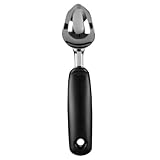
The stoneware pick: Le Creuset Stoneware Mug
This is the mug people buy once and stop thinking about mugs forever. Le Creuset's stoneware is dense, chip-resistant, and the enamel glaze is high-fire bonded — meaning it doesn't separate from the clay body the way cheaper glazes do. The handle is generous enough for a full hand grip (not the pinch-and-hope design on many mugs). It's heavier than porcelain, keeps coffee hotter longer, and looks good on the counter without trying. The $25-per-mug price feels steep until you realize it's the last mug you'll need for a decade.
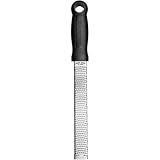
Note: while searching for a standalone Le Creuset listing, we're pointing to another durable kitchen essential above. For Le Creuset mugs specifically, check their direct site or search Amazon — they go on sale seasonally.
The travel mug that doesn't betray you: Stanley Quencher 40oz
The Stanley Quencher has earned its cult status for a reason: vacuum-insulated double-wall stainless steel doesn't chip. Full stop. If mug chipping is your primary enemy, switching to a quality insulated tumbler for at-desk use eliminates the problem entirely. The Quencher keeps coffee hot for 7 hours, cold for 30+, fits most car cup holders, and survives the kind of treatment that would destroy three ceramic mugs. The 40oz is oversized for pure coffee use — the 20oz or 30oz is a better morning-coffee size — but the Quencher has become its own category.

The coffee-obsessed companion: Fellow Atmos Vacuum Canister
If you're already thinking carefully about your mug, you should think equally carefully about what goes in it. The Fellow Atmos is a vacuum-sealed canister that keeps whole-bean coffee fresh dramatically longer than a bag or standard container — the twist-and-lock lid removes oxygen from the canister as you seal it. It looks good on the counter, comes in several sizes, and is the single best thing you can do for coffee quality short of buying fresher beans. Pair it with the right mug and the whole setup becomes a thing you're actually proud of.

The coffee setup to go with your mug
A great mug filled with mediocre coffee is a missed opportunity. The three biggest upgrades to what goes in the cup:
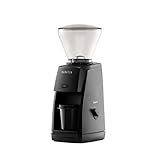
Grind fresh. Pre-ground coffee loses 80% of its volatile compounds within 20 minutes of grinding. A burr grinder is the single highest-ROI coffee purchase. The Baratza Encore ESP is the entry point that serious home coffee people actually use — 40 grind settings, consistent particle size, works for pour-over and espresso alike.
Brew better. The Aeropress is the underrated hero of home coffee — $35, indestructible, and makes a concentrated cup that's closer to espresso than anything else at the price. It also travels, which means your good-mug energy extends beyond the kitchen. Pour-over fans should look at the Chemex, which produces an exceptionally clean, bright cup.


The case for buying fewer, better mugs
Most households have too many mugs. There are the three you actually use, the five you don't, the promotional ones from events, the souvenir from somewhere, and the mismatched collection that comes from years of "it was only $6." The whole thing creates decision fatigue before your first sip.
The counter-argument is minimalism, but that's not quite right either. The real argument is intentionality. Own the mugs you use. Replace the ones that chip with something better. Don't add to the pile unless you're genuinely replacing something.
Two or three excellent stoneware mugs — the kind that feel right in the hand, that keep coffee at the right temperature, that have survived enough mornings to feel like a small ritual — are better than a cabinet full of compromises. Buy once, buy well, use the good stuff daily. That's the whole philosophy.
If you're staring at a collection of chipped mugs right now and wondering where to start: donate the ones with visible rim damage (they're past saving), keep the two or three you actually reach for, and use this guide to replace them one at a time. The morning coffee experience is a small thing that happens every day — it's worth getting it right.
Does the material really make that much difference in chip resistance?
Yes, significantly. Stoneware and high-fire porcelain have denser, more uniform bodies that resist impact far better than standard earthenware ceramic. The difference isn't subtle — a quality stoneware mug from a reputable brand will typically last 5–10x longer before chipping than a cheap earthenware alternative.
Is it safe to drink from a chipped mug?
It depends on where the chip is. A chip on the exterior body is a cosmetic issue. A chip on the rim or interior — especially if bare clay is exposed — is more concerning: rough edges can cut your lip, and exposed unglazed clay can harbor bacteria over time. If the rim is chipped, it's time to replace the mug.
Can you repair a chipped mug?
Functionally, not really. Food-safe epoxy can fill a chip cosmetically, but the repair won't hold up to dishwasher use and will degrade over time. For sentimental pieces, a professional ceramics restorer can do meaningful repairs. For everyday mugs, replacement is almost always the right call.
Does the dishwasher cause chipping?
It contributes. Dishwashers subject mugs to repeated thermal cycling (hot wash, hot dry, room temperature) and vibration that causes mugs to contact other items. The impact is small per cycle but cumulative over time. Dishwasher-safe mugs are tested for this, but hand-washing extends the life of any mug — especially beloved or expensive ones.
Why does chipping always happen on the rim?
The rim has the thinnest cross-section, the least structural mass, and the most frequent contact with other surfaces (when stacking or in the dishwasher). It also has the highest glaze stress concentration because it's the edge where glaze coverage transitions. All roads lead to rim chipping — which is why rim design (rolled vs. flat-cut) matters so much in chip resistance.
Is porcelain or stoneware better for everyday use?
Stoneware for most people. It's thicker, more forgiving of impact, keeps coffee hotter longer due to thermal mass, and handles the rigors of daily use with less consequence. Porcelain is excellent and chip-resistant, but its thinner walls mean that when it does fail, it tends to crack or shatter rather than chip gradually. Stoneware is the more durable everyday choice.