Cat litter is one of those purchases you make forty-eight times before you find the one that works and then become irrationally loyal to it. I've been that person. I've also watched friends cycle through every bag on the shelf, chasing the dream of a box that doesn't smell, doesn't track through the house, and doesn't make their cat stage a protest by going on the bathroom rug instead. The good news: there's actually a pretty logical framework for choosing. The bad news: the marketing is so loud it's hard to hear it. Let's cut through.
The big three types — and who each one is actually for
Every cat litter on the market falls into one of three categories, regardless of what the packaging says. Clumping clay, non-clumping (including natural alternatives), and silica crystal. Each has a real use case. None of them is universally best.
Clumping clay is the workhorse of the category. Sodium bentonite clay forms a tight, scoopable ball around urine, which makes it easy to remove waste without changing the whole box. You scoop daily, top off as needed, and do a full change every two to four weeks. The downsides: it's heavy, it tracks aggressively, and the clay mining has environmental baggage. But if you want low-effort daily maintenance and the lowest upfront cost, this is the category. Dr. Elsey's Ultra is the one I keep coming back to — low dust, exceptional clumping strength, and it doesn't have that artificial "mountain fresh" smell that makes both humans and cats suspicious.
Non-clumping and natural alternatives is a broad bucket that includes wood pellets, paper pellets, corn, wheat, walnut shell, and the tofu/plant-based options gaining ground. These don't form scoopable clumps, which sounds like a downside but isn't always — pellet litters, for example, are stellar for multi-cat households and for anyone whose cat kicks clumping clay out of the box. World's Best Cat Litter (corn-based) is the best known of these and genuinely does clump reasonably well for a natural litter. It flushes (in theory, check local sewage guidelines), runs lighter than clay, and most cats accept it without drama. The price per pound is higher, but the bag lasts longer because you use less.
Silica crystal litter is the category that divides people sharply. Crystal gel beads absorb urine and trap odors at a molecular level — genuinely impressive odor control — and a single tray can go longer between full changes if you're stirring daily and removing solids. The tradeoff: it's expensive, the crunching sound under paws puts some cats off entirely, and when it's saturated it turns color and you need to change the whole tray. Best for single-cat households, small spaces, or anyone who travels and needs the lowest-maintenance possible box. Arm & Hammer Clump & Seal, while technically a clumping clay hybrid, uses a similar odor-sealing chemistry to crystal litters and splits the difference: better odor control than standard clay, easier to find, and more affordable than crystal.
The clumping vs. non-clumping vs. crystal comparison
Here's the honest breakdown across the dimensions that actually matter:
Odor control: Crystal litter wins on a per-day basis. Clumping clay is competitive if you scoop daily. Non-clumping requires a full-box change more frequently to stay fresh, though natural materials like walnut and wood pellets suppress ammonia better than people expect.
Tracking: Pellet-style non-clumping litters track the least — the pieces are large enough that they don't stick to paws or travel far. Fine-grain clumping clay tracks the most. Crystal litter is medium; the beads are larger than clay but smaller than pellets.
Dust: This matters if you or your cat has respiratory issues. Low-dust formulas exist in every category, but the dustiest is by far fine-grain clumping clay (look for "dust-free" or "99% dust-free" on the bag — Dr. Elsey's actually delivers on this claim). Natural and crystal options run noticeably cleaner.
Cat acceptance: Cats are opinionated. Most prefer unscented litters. Kittens should start on unscented clumping clay because it's the easiest to learn on and the standard recommendation for newly litter-training cats. If you switch a cat's litter and they start going outside the box, go back and transition more slowly (mix 25% new with 75% old, shift the ratio over two weeks).
Cost per month: Clumping clay is cheapest upfront. Natural litters cost more per bag but you use less. Crystal is most expensive and most wasteful when it saturates. If you're doing the math per box-day, all three are roughly comparable for a single cat — the big differences emerge in multi-cat households, where clumping clay scales best.
Storage: the part nobody thinks about until it's a problem
A 40-pound bag of clumping clay litter is a commitment. Where does it live? If it's under the bathroom sink, it's probably fine. If it's in a garage that gets humid summers or wet winters, you have a problem — moisture ruins clumping clay before you get to use it, and a 40-pound brick is nobody's idea of a good time. The solution is an airtight container. The OXO Good Grips POP containers are my go-to for pantry staples, but a single large bin with a locking lid near the litter box station does the same job. Transfer the bag in on delivery day, seal it, and you've solved the humidity and the shelf-life problem in one move.

Odor between scoops: what actually helps
The litter itself only does part of the work. The box placement, the box size, and what you do between scoops contribute just as much to how your place smells. A few things that make a genuine difference:
Scoop daily. I know, everyone says this. But even the best crystal litter can't keep up with a cat that goes twice a day and gets scooped every four days. Daily scooping is the highest-leverage thing you can do, period.
Get a big box. Most commercial litter boxes are too small. Cats prefer a box that's 1.5 times the length of their body. A bigger box means less waste concentrated in a small area, better coverage of litter, and fewer misses at the edge.
Activated charcoal or baking soda layers. Sprinkling baking soda at the bottom before filling the box helps absorb ammonia between changes. There are commercial products for this, but plain baking soda works.
Don't use closed or hooded boxes to "trap" odors. It doesn't trap the odor, it traps the cat's experience of smelling it more intensely, which is why some cats refuse hooded boxes. Odor goes where air goes. A ventilated room beats a hooded box every time.
If you need a way to manage odor-related items — the scoop, the baking soda, the backup bags — keeping them in a small sealed storage bin next to the box keeps the setup tidy without a lingering smell in the room. Vacuum bags work well for this if you also store backup litter bags and want to compress and seal them.

The cat who won't use the box: a quick diagnostic
Before you assume it's the litter, rule out the basics. Is the box clean? Cats won't use a dirty box. Is the box too small? Is it in a location with foot traffic, noise, or near the food bowls (cats don't want their bathroom near their kitchen — they're more sensible than some apartment designers)? Is there only one box for multiple cats? The general rule is one box per cat, plus one. Two cats, three boxes.
If the box is clean, correctly sized, and in a quiet location, and a cat is still avoiding it, try an unscented litter if you're currently using scented. Try a different texture. And check in with a vet — inappropriate elimination is sometimes a medical issue, not a preference issue, and a UTI or kidney problem caught early is a lot cheaper to treat.
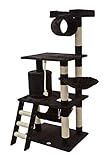
A good cat tree nearby can also help — cats feel safer using the box when they have a vertical escape route nearby if needed. This sounds like a reach but it's a real behavioral thing, especially for timid cats or cats in multi-pet households.
What to buy if you want our honest short list
For most single-cat households: Dr. Elsey's Ultra Clumping (a 40lb bag every 4–6 weeks), daily scooping, an OXO container for storage, done. It's unglamorous and it works.
For multi-cat households or cats who track everything: World's Best Cat Litter in the Multi-Cat formula. Lighter weight, better tracking control, and corn-based so it's biodegradable. You'll pay more per bag and use less per change.
For apartments, small spaces, or travel situations: Arm & Hammer Clump & Seal for odor blocking, or a crystal litter if your cat will accept it. The crystal tray setup is genuinely the lowest-maintenance option if the cat cooperates.
For kittens: start on unscented clumping clay (Dr. Elsey's Kitten Attract is formulated for this), then transition at 6–12 months if you want to try something else.
FAQs
Is clumping litter safe for kittens?
Kittens under four months should be on non-clumping litter because they're still learning not to eat things, and ingesting clumping clay can cause intestinal blockages. Once they're past the "eat everything" phase (typically four months and reliably using the box), switching to clumping is fine. Dr. Elsey's Kitten Attract is a clumping formula designed specifically for this transition.
Can I flush cat litter down the toilet?
Only litters specifically labeled as flushable and only in areas not connected to municipal water systems that discharge to the ocean. Even "flushable" natural litters like World's Best carry a risk: cat feces can contain Toxoplasma gondii, a parasite that water treatment doesn't fully neutralize and that harms marine life, particularly sea otters. The safest practice is to bag and trash solid waste and change the box into a sealed bag for garbage disposal.
Why does my litter smell even right after I change it?
Usually one of three culprits: a box that's absorbed odor into the plastic itself (replace plastic boxes every one to two years — they scratch and bacteria colonize the scratches), a cat with a urinary issue making unusually concentrated urine (worth a vet check), or a litter with heavy fragrance that's actually masking and mixing smells rather than absorbing them. Switch to unscented and clean the box with an enzymatic cleaner before the next refill.
How much litter should I put in the box?
Three to four inches for clumping clay — enough depth for the cat to dig and for the clumps to form without hitting the bottom. Crystal litter gets filled to the manufacturer's line, usually one to two inches. Pellet litters only need an inch or so since they work differently. More is not always better: a huge pile of litter doesn't improve odor control and gives cats loose footing, which some dislike.
Is scented or unscented litter better?
Unscented, almost always. The scent is for the human, not the cat — cats have 14 times more scent receptors than we do and most find artificial fragrance overwhelming. Many cats will avoid a strongly scented box. If odor is your concern, get a better litter with real odor chemistry (Dr. Elsey's, crystal litters, activated charcoal additives) rather than masking it with perfume.
How often should I fully replace the litter?
With clumping clay and daily scooping, a full change every two to four weeks is standard for one cat. With non-clumping litters, more frequently — one to two weeks. Crystal litter trays typically last three to four weeks for one cat before the crystals saturate and turn color. If it smells before the "schedule" says to change it, change it — the schedule is a starting point, not a rule.
Do I need a litter mat?
Yes, and it genuinely helps. A textured litter mat placed just outside the box catches litter from paws before it travels across your floors. The best ones have a grid or honeycomb surface where litter falls through and can be shaken out. It won't eliminate tracking entirely — nothing does — but it reduces it by about 70% in my experience. Worth the $20.