You bought the cat fountain because you read that cats are biologically drawn to moving water — they evolved near streams, static bowls stress them out, hydration prevents UTIs and kidney disease. All true. And then about three weeks in you noticed the thing smells a little like a fish tank, the pump is gurgling instead of flowing, and there's a pink-tinged slick on the inside of the bowl. You bought the fountain to help your cat. Now it's the grossest object in your kitchen.
Here's the thing: that's not the fountain's fault. It's a maintenance problem, and once you understand why fountains get gross and in what order, the fix is straightforward. This guide is the one I wish existed when I set up my first fountain and spent a confused Tuesday afternoon googling "cat fountain smells like pond."
Why fountains get gross (the actual science of it)
The sliminess is biofilm — a thin layer of bacteria that forms anywhere water sits on a surface, especially plastic. It's the same thing on your shower walls and your dog's water bowl, just accelerated because a fountain has all those little crevices, nooks around the pump, and tubing where flow stagnates. Biofilm loves stagnant pockets. Add cat saliva (which has its own microbial ecosystem), food debris from paws and mouths, and the warm ambient temperature of most kitchens, and you've got a petri dish with a flower-shaped lid.
The pink or orange tinge is often Serratia marcescens, a common airborne bacterium that thrives in warm, moist environments. It's not dangerous to healthy cats or humans at these levels, but it's a clear signal that the fountain needs a deep clean — and that your filter is either exhausted, absent, or not doing what you think it's doing.
There are three main reasons fountains get gross faster than they should:
- Plastic construction. Plastic scratches micro-invisibly every time you clean it, and bacteria colonize those scratches. No amount of washing fully removes biofilm from scratched plastic. Stainless steel and ceramic are non-porous and dramatically slower to build up biofilm.
- Filter neglect. Most fountain filters need replacing every 2–4 weeks, not every 3 months. A saturated filter doesn't just stop working — it actively leaches the trapped debris back into the water.
- Pump gunk. The pump impeller is where the grossest accumulation happens because it's warm, it moves water constantly, and most people never disassemble it. A dirty impeller is the source of that gurgling noise, and it's also where the worst biofilm builds up.
Stainless vs ceramic vs plastic: the honest comparison
This is the most important buying decision you'll make, and most product listings bury it in the specs.
Plastic fountains are the cheapest and the most popular, which is a shame because they're also the grossest over time. The material is porous at a microscopic level, scratches easily with normal cleaning, and holds odors. If you have a plastic fountain, it's not ruined — the cleaning schedule below will help — but when it's time to replace it, go up.
Stainless steel fountains are the upgrade most people should make. Non-porous, dishwasher-safe (on the top rack), and the surface doesn't hold odors or biofilm the way plastic does. The Pioneer Pet Raindrop Stainless fountain is the classic here — simple, elegant, comes in multiple sizes, and the parts are easy to disassemble. It's also the one vets most often recommend because nothing leaches into the water and the parts are easy to source. The mild downside: the pump is still plastic, so the pump compartment still needs weekly cleaning.
Ceramic fountains are the Goldilocks option for aesthetics. Non-porous like stainless, heavier (which prevents tipping for larger cats), and they look like actual home decor instead of a pet product. The Catit Flower Fountain has a ceramic version that's genuinely lovely. Ceramic is fragile if dropped — which is rare, but worth knowing. It's also typically the priciest option. If you have a cat that chews on things or a dog who also uses the fountain, stainless is more practical.
Bottom line: stainless for most people, ceramic if aesthetics matter a lot and you have a careful household, and only plastic if cost is the hard constraint (in which case, clean it more often).
The fountains actually worth buying
Three fountains come up consistently in every serious cat-owner community, and each earns its recommendation for different reasons.
The Catit Flower Fountain is the entry-level darling. Plastic body, triple-action filtration, the flower top creates a gentle stream that most cats find irresistible. It runs quiet, it's cheap to filter, and it comes apart completely for cleaning. The plastic limitation applies, so the cleaning schedule matters more here than with any other option — but it's a strong starter fountain and widely available replacement parts make it easy to maintain.
The Veken 84oz Pet Fountain is the mid-range pick for multi-cat or multi-pet households. The bigger reservoir means you're not refilling it daily, and the dual filters (foam + carbon) do genuinely good work on sediment and taste. Also plastic, also needs regular cleaning. Veken sells replacement filters in bulk packs which makes the economics easy — buy 12 at once, replace every three weeks, never think about it again.
The Pioneer Pet Raindrop Stainless is the one to upgrade to when you're done fighting the plastic biofilm battle. It's quieter, it's easier to actually get clean, and the stainless bowl doesn't hold flavor the way plastic does. Some cats who rejected plastic fountains will drink from the stainless happily — the metal taste that some cats object to in stainless steel bowls isn't an issue here because the water volume dilutes it completely.
The actual cleaning schedule (print this, laminate it, put it on your fridge)
This is the part people skip, and it's the entire ballgame. A good fountain in a bad maintenance routine is worse than a mediocre fountain in a good one, because the good fountain creates false confidence.
Every week: Full disassembly. Bowl, lid, pump cover, pump impeller — take it all apart. Scrub the bowl with a soft brush and dish soap (not abrasive cleanser, which scratches plastic). Remove the pump impeller by pulling it out (on most fountains it just lifts off) and clean it under running water with a small brush. A set of pipe cleaners or a bottle brush for the tubing is essential — that's where the slime hides. Rinse everything thoroughly and reassemble.
Every 2–3 weeks: Replace the filter. This is not optional. Most people go 2–3 months between filter changes because the packet says "replace every 1–3 months." Go by the low end. A fresh filter is the single most effective thing you can do to prevent smell and biofilm. If you notice any smell before the 3-week mark, replace immediately.
Monthly: Deep soak. Fill the bowl with a white vinegar and water solution (1:3 ratio), let it soak for 30 minutes, then scrub and rinse thoroughly. Vinegar dissolves mineral deposits (the white crusty buildup) and disrupts biofilm that soap misses. You can also use a diluted citric acid solution. Never use bleach on fountain components — it's nearly impossible to rinse fully from the tubing and can harm cats.
Every 3–6 months: Inspect the pump. If the pump is slowing down or the fountain is louder than it used to be, the impeller may need replacement. Pumps for most popular fountains are cheap ($8–15) and sold as accessories. Having a spare means a clean pump in rotation rather than a fountain-down situation.
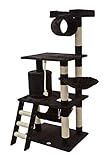
The companion setup: treats storage and fountain placement
Two underrated parts of the fountain equation that nobody talks about.
Placement matters more than you think. Cats prefer water sources that aren't adjacent to their food bowl — in the wild, water near a kill site is often contaminated, so the instinct is to find water elsewhere. Move the fountain to a different room or at least across the kitchen from the food bowl. Putting it near the cat tree (where they already spend vertical time observing their territory) is a good move — the Catit Flower and the Veken both have small enough footprints to tuck next to furniture.
Treats storage. Keeping your cat's treats in an airtight container isn't just organization — it keeps smells away from the fountain area, prevents pantry moths (yes, they go after cat treats too), and keeps treats fresh so cats actually want them. If you're using treats as a hydration supplement (freeze-dried treats reconstituted with water are a great way to get additional fluid into cats who still under-drink even with a fountain), you want them stored well.

What makes cats refuse the fountain (and how to fix it)
You spent $40 on a fountain and your cat walked over, sniffed it, and went back to drinking from the bathroom tap. This is common and fixable.
It's too close to the food bowl. As above, move it. This fixes the problem more often than any other single change.
The pump noise is bothering them. Some cats are noise-sensitive. Fountains with ceramic or stainless bowls are quieter because the bowl doesn't vibrate the way plastic does. Also check that the pump impeller isn't dirty — a dirty impeller is louder and cats notice it before we do.
The water tastes like plastic. Run the fountain for 48 hours before introducing your cat to it, with a fresh filter. This flushes the factory odor. If you're switching from plastic to stainless, give your cat a few days — some cats need to be introduced to a new water source gradually.
They want still water, not moving water. A small percentage of cats genuinely prefer bowls. If you've tried multiple fountain placements and styles and your cat is still cold on it, a wide, shallow ceramic bowl changed daily is fine. Hydration method matters less than actual hydration.
One more thing that actually works: put a few ice cubes in the fountain on a hot day. Many cats will suddenly find the fountain fascinating. The behavior is partly about novelty — cats are hunters and novel stimuli engage them. Ice = interesting = drinking more water. It's ridiculous but it works.
FAQs
How often should I really change the filter in my cat fountain?
Every 2–3 weeks for a single-cat household, every 1–2 weeks for multi-cat or if your cat eats wet food (which introduces more organic material into the water). The "1–3 months" window on most filter packaging assumes light use and is too optimistic for real conditions. A saturated filter stops working and can actually leach trapped debris back into the water — which is the opposite of what you bought it for. Buy filters in bulk from the manufacturer and set a calendar reminder.
Is stainless steel really that much better than plastic?
Yes, for most people and most cats. Stainless is non-porous, so biofilm has nowhere to anchor between cleanings. It doesn't hold odors the way plastic does, doesn't scratch with normal cleaning, and is dishwasher-safe. The main argument for plastic is cost and weight — plastic fountains are cheaper and lighter. But if you've already been through the experience of fighting the pink slime in a plastic fountain, the upgrade to stainless pays for itself in frustration-hours pretty quickly.
What's the pink stuff in my cat fountain and is it dangerous?
It's most likely Serratia marcescens, an airborne bacterium that shows up wherever there's warm, standing moisture — cat fountains, shower grout, bathroom caulk. At the concentrations you'd see in a home fountain, it's not dangerous to healthy cats or healthy adults, but it is a clear signal that the fountain needs a full deep clean immediately, the filter needs replacing, and your cleaning schedule needs to be more frequent. If you see it consistently despite weekly cleaning, that's a sign the fountain material (usually plastic) has become too scratched and porous to clean effectively — time to upgrade to stainless or ceramic.
My cat won't use the fountain. What should I try?
Start with placement — move the fountain away from the food bowl, ideally to a different room or at least across the kitchen. If the pump is audible, check whether the impeller needs cleaning (it makes the pump quieter when clean). Let the fountain run for 48 hours with a fresh filter before expecting your cat to use it, to flush any plastic or factory smell. Try putting ice cubes in the water — novelty often reactivates a cat's interest. If you've tried all of this and your cat still prefers a bowl, that's okay. A wide, shallow ceramic bowl changed daily is a perfectly valid hydration solution.
How do I clean the pump impeller?
Unplug the fountain, remove the pump from its housing (usually just lifts out), and locate the impeller — the small magnet-driven rotor that spins inside. On most fountains it pulls straight off the center pin. Rinse the impeller under warm running water and scrub gently with a small soft brush (an old toothbrush or a pipe cleaner works well). Clean the inside of the impeller housing too, since that's where biofilm accumulates. Rinse thoroughly, reassemble, and plug back in. If the fountain sounds noticeably different after this — quieter, stronger flow — you've found the issue. Do this every time you do your weekly cleaning.
Can I use tap water in a cat fountain or does it have to be filtered?
Tap water is fine for most cats in most regions. If your tap water has high mineral content (hard water), you'll see more white crusty mineral deposits on fountain surfaces — a monthly vinegar soak handles this. If your tap water smells or tastes strongly of chlorine, you may find your cat drinks less from the fountain than expected. In that case, using a filtered pitcher to fill the fountain (or a fountain with a solid carbon filter) makes a meaningful difference. What you should not use: distilled water, which has had all minerals removed and is not the right electrolyte balance for cats over time.