The carry-on backpack is one of those purchases where getting it slightly wrong costs you in a thousand small ways: a shoulder strap that digs in after hour two, a main compartment that makes the security bin a twenty-minute operation, a laptop sleeve that puts your MacBook exactly where it'll take the most damage. Getting it right means you move through airports like someone who has done this before.
This list covers the under-$200 tier specifically, because that's where the real decisions happen. Above $200 you're mostly paying for brand name. Under $100 you're gambling on build quality. The $100–$200 window is where the best functional travel backpacks live.
The airline size rules, and why most people get them wrong
Most major US carriers allow carry-on bags up to 22 × 14 × 9 inches, and personal items up to approximately 18 × 14 × 8 inches. A backpack under 40L typically qualifies as a personal item on most airlines. A 45L backpack that doesn't compress down will get gate-checked on Spirit or Ryanair without mercy. The key dimensions to watch are depth and width, not just height. If you're flying internationally on budget carriers, go 35L or under. Full stop.
Organization panel vs. open main compartment — pick your personality
Clamshell (organization panel): opens flat with a laptop sleeve on one side and pockets on the other. Great for city travel and meetings — you can see everything at once, the laptop comes out fast at security. Rewards flat, organized packing. Top-loader (open main compartment): one big cavity you pack like a hiking bag. Great for adventure travel and chaotic packers. The best travel backpacks are hybrids — a clamshell opening with a large main compartment that isn't over-organized.
Laptop sleeve depth: the spec nobody lists properly
What the listings usually don't tell you is how deep the sleeve is, and whether it's suspended (protected from the bag floor if you drop it) or rests directly on the bottom. Suspended laptop sleeves are worth paying for. Also check: does the laptop compartment open separately from the main bag? TSA-friendly separate access saves two minutes and one angry shuffling moment per checkpoint.
What to skip: fashion backpacks that fail functionally
Avoid for actual travel: fashion backpacks with no laptop sleeve (Herschel, most JanSport styles), backpacks with only top-zip access (clamshell beats top-zip for travel), bags without a luggage sleeve (the band that slides over rolling suitcase handles), and anything marketed primarily as "anti-theft" — the RFID blocking pocket is fine; turning the bag into a puzzle box is annoying for you far more than it is for thieves.



What size backpack is allowed as a carry-on?
Most US carriers allow carry-on bags up to 22 × 14 × 9 inches in the overhead bin, and personal items up to around 18 × 14 × 8 inches under the seat. A 40L backpack typically works overhead on major carriers; budget airlines like Spirit and Frontier may charge to use the overhead bin. Always check your specific carrier's policy before you fly.
Is the Osprey Farpoint 40 worth it?
Yes, consistently and across years of editorial reviews. It's the benchmark carry-on travel backpack at this price. The clamshell opening, quality suspension, lockable zippers, and the fact that it compresses to fit overhead bins on most carriers makes it the reliable answer. If it's on sale, buy it. If it's full price, it's still worth it.
Do I actually need packing cubes?
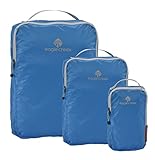
You need them the first time you use them and then you'll wonder how you ever traveled without them. They compress clothing, keep categories separated, and mean you never unpack your entire bag to find one sock.
What's the lightest carry-on backpack under $200?
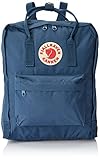
The Fjallraven Kanken at ~$80 and 16L is the lightest option for light packers. For 40L bags, the Osprey Farpoint comes in around 2.9 lbs, which is competitive at this size.
Can I use a hiking backpack as a carry-on?
Technically yes, but hiking packs are designed for different things — external frames, hip belts for 30 lbs of gear, and they look like you're going to Patagonia, not a client meeting. The Osprey Farpoint bridges both worlds.
What's the best carry-on backpack for business travel?
The Tortuga Setout 45L (~$199) if you need maximum organization and a professional look. The Osprey Farpoint 40 if you want the best combination of function and versatility. For business travel, prioritize a clamshell opening and TSA-friendly laptop access.
Is Away The Backpack worth the price?
It's a good bag with great branding. The magnetic front pocket is clever, the look is clean. But it's a top-loader without the organizational depth of the Osprey, the laptop sleeve doesn't have suspended protection, and it's heavier for its capacity. For the same money, the Farpoint 40 is the better travel tool.