Everyone has a book recommendation for you when you're expecting. Your OB, your mother-in-law, the stranger at the baby shower, the algorithm. And almost all of them have the same energy: slightly anxious, extremely thorough, written as if you have never met a human body before. The books are not wrong, exactly. They're just exhausting at the exact moment you have the least capacity to be exhausted.
This list is different. These are the books that treat you like an intelligent adult who is doing something hard, not a liability to be managed.
First, what to skip (or at least manage)
What to Expect When You're Expecting is the one everyone buys and almost nobody finishes. It's organized as a month-by-month symptom encyclopedia, which means every page is a new thing that might go wrong. For certain people — the kind who feel better when they have all the information — it's exactly right. For everyone else, it produces a specific type of 2am spiral that isn't useful.
The sleep book that doesn't make you feel like a failure
Harvey Karp's Happiest Baby on the Block is the rare parenting book that gives you actual techniques rather than just concepts. The 5 S's — swaddle, side/stomach position, shush, swing, suck — are specific, learnable, and they work on a significant percentage of fussy newborns. You can read the whole thing in an afternoon, which is appropriate because newborn parents don't have full days to sit with a book.
For the mental health piece nobody wants to address directly
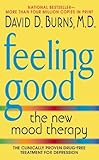
Feeling Good by David Burns isn't a parenting book, but it's the most practical resource available for anyone dealing with the cognitive distortions that come with a major life change, sleep deprivation, and identity upheaval all at once. The CBT techniques in it are evidence-based and short enough to do when you have 10 minutes. If you've ever had the thought "I'm doing this wrong and everyone else is better at this than me" — which is essentially every new parent — it's relevant.
For the parent who wants to understand the first year, not fear it
What to Expect the First Year is a better book than its pregnancy predecessor, largely because the first year is more tractable. The month-by-month developmental milestones are genuinely useful for calibrating "is this normal?" questions. Think of it as a reference book, not a cover-to-cover read. Keep it on the nightstand, use the index.
The French parenting book that's annoying in the right ways
Pamela Druckerman's Bringing Up Bébé is easy to dismiss as a lifestyle book about Parisian cafes. But underneath the aesthetic is a genuinely useful argument: American parenting culture has overcorrected toward anxiety and child-centeredness. You won't adopt the whole philosophy. You'll be mildly irritated by some of it. But you'll keep thinking about specific passages for months, which is the sign of a book that actually got to something real.
The productivity angle: protecting your time when time is gone
The first months with a baby will break every system you had for managing your life. The Atomic Habits framework — specifically the part about identity-based habits and making small behaviors automatic — is directly useful for parents trying to maintain any sense of routine during the chaos. Read the first six chapters. That's enough.

Is What to Expect the First Year worth reading cover to cover?
No — and that's okay. It's most useful as a reference book you consult when something comes up: a developmental question, a feeding concern, a rash you can't identify. Read the intro and the chapter on your current month; use the index for everything else.
What book is best for managing postpartum anxiety specifically?
Feeling Good by David Burns is the most practical option because it's technique-based. It gives you CBT tools you can use in real time. That said, postpartum anxiety and depression are medical conditions — a book is a supplement, not a substitute. Please reach out to your provider if symptoms are persistent.
When should I start reading parenting books?
Before, ideally. The Happiest Baby is worth reading before birth so you have the techniques ready. What to Expect the First Year can wait until you're home with the baby. The mental health and productivity books are most useful in the first few weeks postpartum.
Are parenting books from 10+ years ago still relevant?
For temperament and development, largely yes — babies haven't changed. The Happiest Baby is from 2002 and the techniques still work. For feeding recommendations, always cross-reference with your pediatrician since guidelines update more frequently.
What should I skip if I only have time for one book?
Read The Happiest Baby on the Block before the baby arrives. It's the one book with immediately actionable techniques for the hardest part of early parenting — a newborn who won't stop crying at 3am.
Is Bringing Up Bébé actually useful or just a lifestyle read?
Both, honestly. The useful core argument is that children do better when there's a clear, calm framework rather than constant negotiation and anxiety. The concept of the cadre (a secure structure within which kids have real freedom) is worth thinking about regardless of your feelings about French culture.