Blue light glasses are one of those wellness products that became enormously popular before the science had a chance to catch up. Walk into any optometrist's office or browse Amazon and you'll find dozens of brands promising relief from digital eye strain, better sleep, and protection from screen damage. Most of those promises are overstated. One of them is real, and it's the reason a pair might still be worth owning.
Here's the honest version: the research on blue light glasses for eye strain is genuinely mixed, and a 2023 Cochrane review (the gold standard for evidence summaries) found no clear benefit for vision quality or eye comfort during screen use. That's the bad news. The good news is that wearing amber-tinted glasses in the evening hours measurably helps your circadian rhythm by blocking the wavelengths that suppress melatonin. So the question isn't "do blue light glasses work?" It's "what are you trying to fix?"
What blue light glasses actually do (and don't do)
Blue light is a range of short-wavelength visible light, roughly 400 to 500 nanometers. Screens emit it, but so does the sun, in vastly larger quantities. The "blue light damages your eyes" claim is mostly marketing — the dose from a laptop is a fraction of what you get walking outside on an overcast day, and there's no good evidence that screen-level blue light causes retinal damage.
What blue light does do is suppress melatonin production. Your brain reads bright blue-shifted light as daytime. That's why scrolling Instagram in bed at 11pm is a sleep disaster — you're chemically telling your circadian system the sun just came up. Amber-tinted lenses worn in the 2 to 3 hours before bed block enough of that wavelength to make a measurable difference. Studies from Harvard and the University of Toronto have both found improved sleep quality in evening blue-blocker users.
Day-use clear blue light glasses are a different product with a different (much weaker) evidence base. If you have eye strain from screens, the cause is almost always something else: bad ergonomics, low blink rate, dry eyes, an outdated prescription, or insufficient ambient light. Fix those first. Glasses come last.
The fix that actually matters: monitor lighting
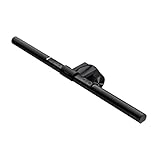
If you want to reduce digital eye strain in 2026, the highest-leverage change you can make isn't glasses — it's lighting your monitor properly. Eye strain comes from your pupils constantly adjusting between a bright screen and a dark surrounding wall. A monitor light bar (the kind that clips on top of your screen and shines down on your desk, not into your eyes) eliminates that contrast problem in a way no eyewear can match.
The BenQ ScreenBar is the most-recommended monitor light for a reason. It clips onto any monitor, doesn't take up desk space, has automatic brightness adjustment, and the asymmetric optical design means zero glare on the screen. If you spend your day at a computer, this is the single best $120 you can spend on your eyes.
For evening screen use: amber glasses (the ones that actually work)
If you're using your phone or laptop after dark and you struggle to fall asleep, amber-tinted blue blockers are the real deal. The key word is amber. Clear blue light glasses block somewhere between 5 and 30 percent of blue wavelengths — not enough to meaningfully shift melatonin. Orange or amber lenses block 90 percent or more, which is the threshold where studies start showing actual sleep improvements.
Wear them for the last 2 to 3 hours before bed. Don't bother with them during the day. They make everything look slightly orange, which is the point — your brain reads that wavelength as sunset, not noon.
If you want a more affordable amber option
You don't need to spend $69 on amber blue blockers. The wavelengths blocked depend on lens tint, not brand reputation, and there are perfectly functional amber glasses on Amazon for $15 to $25. Look specifically for: orange or red-orange lens tint (not yellow, not clear), a published spectrum chart showing what percentage of each wavelength is blocked, and a frame that fits over prescription glasses if you wear them.
Avoid any pair that calls itself "blue light glasses" with clear lenses if your goal is sleep. Those are day-use glasses and won't help you fall asleep faster.
The other thing your evening routine actually needs
Light is half the equation. The other half is what your body does in the dark. A weighted blanket isn't a blue light product, but it's the wellness purchase most people who care about sleep underrate. The pressure activates your parasympathetic nervous system, which is the same system melatonin works through. Pair amber glasses with a 15-pound weighted blanket and the difference in sleep onset is more dramatic than either change alone.

For day use: better headphones beat blue light glasses
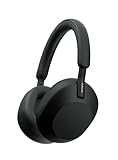
This sounds tangential but it isn't. A surprising amount of what people interpret as "screen fatigue" is actually noise fatigue and cognitive overload from constant interruption. Noise-canceling headphones during deep work reduce eye strain indirectly — when you can focus, you blink at a normal rate (15 to 20 times per minute) instead of the 5 to 7 times per minute most people blink while staring at screens. Dry eyes from low blink rate is the real cause of most "screen eye strain."
The cheaper but excellent alternative
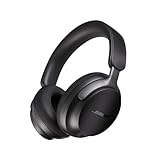
If $400 headphones aren't realistic, the Bose QuietComfort 45 is the genuine alternative. Slightly less noise canceling, slightly better comfort for long wear, and a more neutral sound profile that some people prefer for voice calls. They're frequently on sale for under $250.
For the bedroom itself: actual darkness
You can wear all the amber glasses you want, but if your bedroom has streetlight bleed through cheap curtains, a glowing alarm clock, and a partner watching a show on a tablet, your circadian system is getting mixed signals. Blackout curtains are a one-time purchase that fixes ambient light pollution permanently. The NICETOWN ones are the most-bought blackout curtain on Amazon for a reason — they actually block the light other "blackout" curtains let through.

The room lamp that doubles as wind-down lighting
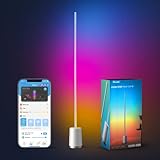
One more thing worth knowing: a warm-toned floor lamp on its lowest setting in the evening does most of what amber blue blockers do, without you having to wear anything. Govee's corner lamp has a "candlelight" mode at 2000K that mimics firelight — the wavelength range humans evolved to wind down in. Run it for the 2 hours before bed instead of overhead lighting and your sleep onset will improve.
And one book worth reading if any of this resonates
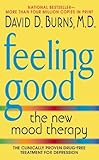
If you've gotten this far, you're probably someone who takes sleep, focus, and mental wellness seriously. Feeling Good by David Burns is the foundational cognitive behavioral therapy book and it's been a quiet bestseller for 40 years for a reason. It's not directly about screens or sleep, but if eye strain and bad sleep are downstream of anxiety and rumination (which they often are), this is the book that actually helps.
The bottom line
Day-use clear blue light glasses are mostly hype. Amber blue blockers worn in the evening genuinely help sleep. Better lighting, better headphones, and better curtains do more for daytime eye comfort than any pair of glasses will. Pick the actual problem you're trying to solve and buy the thing that addresses it directly. That's almost always going to be cheaper and more effective than buying a category of product that became famous on the wrong promise.
FAQs
Do blue light glasses actually work?
It depends on which kind and what you're using them for. Amber-tinted glasses worn in the evening have solid evidence for improving sleep onset by blocking the wavelengths that suppress melatonin. Clear daytime blue light glasses have weak evidence for reducing eye strain — a 2023 Cochrane review found no clear benefit. Buy amber for sleep, skip clear for eye strain.
What's the difference between amber and clear blue light glasses?
Clear lenses block roughly 5 to 30% of blue light, which is below the threshold where most studies show effects on melatonin. Amber or orange lenses block 90% or more, which is where actual circadian rhythm benefits start. If sleep is your goal, only amber lenses are worth your money.
Can blue light from screens damage my eyes?
There's no good evidence that screen-level blue light causes retinal damage. The dose from a laptop is a small fraction of what you get from a few minutes outside, even on a cloudy day. The sun is by far the biggest source of blue light in your life, not your phone.
Why do my eyes feel strained after a day on the computer if it's not blue light?
Almost always one of three things: low blink rate causing dry eyes (people blink 5 to 7 times per minute on screens vs 15 to 20 normally), poor lighting contrast between screen and surroundings (fix this with a monitor light), or an outdated prescription. Get an eye exam, set up better lighting, and use the 20-20-20 rule (every 20 minutes, look at something 20 feet away for 20 seconds).
When should I wear amber blue light glasses?
The 2 to 3 hours before your target bedtime, not all day. Wearing them during the day blocks wavelengths your circadian rhythm actually wants in the morning and afternoon. Treat them like a sleep tool, not an all-purpose accessory.
Are expensive blue light glasses better than cheap ones?
For amber lenses, the wavelength-blocking depends on the tint, not the brand. A $20 pair of amber glasses with a published spectrum chart will perform similarly to a $100 pair. Spend the money on frame quality and fit, not the marketing claim.
Will blue light glasses help with headaches from screen use?
Probably not directly. Screen-related headaches are usually from eye strain (which is mostly dry eyes and bad ergonomics) or muscle tension from poor posture. Better lighting, an eye exam, and a properly positioned monitor will do more than glasses for headaches.