There are two kinds of dog owners: people who have stood in a parking lot at 7am watching their soaking-wet dog shake a gallon of water onto their clean work pants, and people who haven't yet. A good dog raincoat will not fix your morning, but it will fix your dog's evening walk, your car's back seat, and the forty-five minutes you spend toweling off a reluctant Labrador who is personally offended that water exists. Here's what actually works, sized by dog.
One caveat up front: most of the best dog raincoats (Ruffwear, Hurtta, Muttluks) aren't on Amazon, and I'm not going to pretend otherwise. I'll link to where you can actually buy them. I will use product cards for the things I can link properly, but the coat picks below are brand recommendations you can track down directly — they're worth the extra click.
How to measure your dog for a raincoat
This is the section everyone skips and then wonders why their dog looks like a sad grape in an ill-fitting poncho. Measure your dog before you buy anything. You need three numbers.
- Back length: Measure from the base of the neck (where the collar sits) to the base of the tail. This is your most important number and what most size charts are based on.
- Chest girth: Measure the widest point of the chest, usually just behind the front legs. This is where most coats either fit well or gap badly.
- Neck girth: Measure around the neck at collar level, snug but not tight. Some coats have a tighter collar seal that matters more for rainy weather.
Write all three down. Dog coat sizing is not standardized across brands — a "medium" in Ruffwear is not the same as a "medium" in Hurtta. Always cross-reference your measurements against the specific brand's size chart, not generic size labels. If your dog is between sizes, go up on the back length but check that the chest measurement still falls within range. A coat that's too short in the body leaves your dog's hindquarters completely exposed, which defeats the whole purpose.
Also worth noting: barrel-chested breeds (French Bulldogs, English Bulldogs, Corgis, Basset Hounds) often need a size up in the chest while going down in the back. Some brands like Hurtta design specifically for these proportions, which is part of why they're worth the higher price.
Small dogs (under 20 lbs): the fit problem is real
Small dogs have the worst time with raincoats because most coats are designed for proportions that don't match them. A Chihuahua, a Maltese, a toy Poodle — their backs are short, their legs are close to the body, and most raincoats leave them bundled into something that restricts movement and soaks through at the legs anyway.
The brand I keep coming back to for small dogs is Hurtta Torrent Coat. It's made in Finland, which means they actually understand that rain is a serious problem and not a photoshoot prop. The construction is waterproof-shell with a reflective trim, it has a high collar that seals properly, and the fit options go narrow enough for actual small-dog proportions. The 12" and 14" back-length options work well for Chihuahuas and small terriers. It runs $60–80 depending on size, available at Chewy, PetSmart, and the Hurtta website.
For small dogs who hate wearing anything over their head: look for a coat that opens from the back and clips at the chest rather than a pullover style. The adjustment period is easier, and you won't be wrestling a 7-pound dog who has decided this is a moral issue.
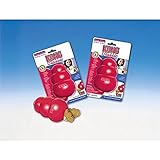
Rainy days with a small dog also mean more indoor time — which is a good opportunity to pull out the KONG. You can freeze it with peanut butter or wet food and a small dog will stay busy for 20 minutes, which is exactly long enough for you to dry off and have a coffee before the next walk.
Medium dogs (20–55 lbs): the sweet spot for fit and options
Medium dogs are where most brands actually deliver, because the size range is the most common and the proportions are easiest to design for. That said, "medium" covers a lot of ground — a 25-pound Beagle and a 50-pound Border Collie are both technically medium, but they need completely different coats.
For 20–35 lb dogs, the Ruffwear Sun Shower Rain Jacket is the pick. It's the one outdoor-gear brand that actually treats dog equipment with the same engineering seriousness as human gear. The Sun Shower has a waterproof shell, underarm seams positioned to avoid friction on the legs during walking, a leash portal at the back so you don't have to unclip or thread anything, and a snug enough collar that it doesn't funnel rain straight down your dog's neck. It runs $85–100 and is worth it. Available at Ruffwear.com, REI, and most outdoor pet retailers.
For 35–55 lb dogs, the Hurtta Torrent scales well into their larger sizes. If your dog is an active breed (working dogs, sporting breeds, anything that actually wants to be outside in the rain rather than pointedly staring at you), the Ruffwear will hold up better to movement. If your dog is more of a "let's get this over with" rain-walk type, the Hurtta's easier on/off makes daily use more realistic.
One thing most people miss for medium dogs: fit around the base of the tail. Most raincoats leave the hindquarters exposed because extending the coat to full coverage complicates the leg openings. If that's driving you crazy, look for a "full coverage" or "blanket coat" style — the Hurtta Monsoon Coat (different from the Torrent) covers the back legs and is worth the extra cost for dogs who hate getting wet but are not going to hold still for a lengthy drying session.
Large dogs (55+ lbs): waterproof or go home
Large dogs are where cheap raincoats fully give up the game. A thin nylon poncho that works okay on a 20-pound dog will be soaked through in ten minutes on a 75-pound Golden Retriever who walks through every puddle with the energy of a child on a field trip. For large dogs, you need a coat rated waterproof (not just water-resistant), sized generously in the chest, and long enough to actually protect the back.
The Ruffwear Sun Shower goes up to XL (fits most dogs up to about 75 lbs in the back). Above that, the Hurtta Torrent has sizes through 28" back length, which covers most large breeds. For giant breeds (Great Danes, Mastiffs, Bernese Mountain Dogs), you're largely looking at custom options — EzyDog has some large-breed styles, and Canada Pooch makes a Torrential Tracker that goes up to XXL and holds up in real weather.
Also worth mentioning for large dogs: Muttluks All-Weather Boots. I know, I know. Your dog will hate them for approximately three walks and then decide they're fine. In heavy rain, wet paws are the part that actually creates the worst post-walk mess — muddy paw prints, the soaking-wet leg-shake, the smell of wet dog embedded in your entryway rug. The Muttluks have a reflective strap and a sole that grips wet pavement, and unlike the balloon-style dog boots they actually stay on. They run about $60 for a set of four. Your large dog's paws are also large, so size up from their measurement — the fit guide on the Muttluks website is accurate.
What to skip: the ponchos, the cute slickers, the fleece
Here's the no-buy list, and it is long because the dog raincoat category has a serious form-over-function problem.
- Plastic ponchos: They look adorable in photos. They have no structure, trap heat, slide around constantly, and are soaked through from the inside (condensation) within a few minutes. Skip entirely.
- Fashion slickers: Anything primarily sold because it looks cute — the little yellow slicker with the hood, the plaid rain jacket with the ruffle — is not a serious rain coat. It may keep your dog dry for a light drizzle and that's it.
- Fleece with a rain shell exterior: This sounds like a good idea. The fleece holds moisture rather than wicking it, so if any water gets inside (and it will), your dog ends up wet and insulted. A good shell coat with no lining is warmer than you think in the rain because it blocks wind. Reserve fleece for cold weather without rain.
- Velcro-only closures without adjustment: These never fit right and come undone. Look for snap-plus-velcro or strap systems that actually cinch.
- Any coat sold primarily by size S/M/L/XL without back-length measurements in the listing: If a brand won't tell you the back length in inches, it doesn't actually care if it fits your dog.
Storing seasonal pet gear (so you actually use it)
Here's the practical problem with dog raincoats: you buy one in October, use it three times, store it in a plastic bag in the closet, and by November you've forgotten which shelf it's on. The solution is treating seasonal dog gear the same way you treat seasonal human gear — vacuum storage bags for bulky items, a dedicated bin for accessories like boots and reflective leads, all in one place near the door you actually use for walks.
The Spacesaver vacuum bags are particularly useful here if you have a thicker dog coat that takes up shelf space. Compress it down, label the bag, store it with the rest of the season's dog gear, and you'll actually find it when the weather turns.

FAQs
Do dogs actually need raincoats, or is it just a people thing?
Depends on the dog. Short-haired breeds (Greyhounds, Vizslas, Boxers, Chihuahuas) genuinely benefit from a raincoat because they have almost no insulating coat and get cold and wet fast. Double-coated breeds like Huskies and Golden Retrievers are more naturally water-resistant, but a coat still cuts down on the drying time and the wet-dog smell embedded in your car. Older dogs and puppies benefit more than healthy adult dogs in their prime. If your dog is shivering on walks or refusing to go out in the rain, a coat is a functional fix, not a fashion statement.
What's the difference between water-resistant and waterproof?
Water-resistant means the fabric has a DWR (durable water repellent) treatment that causes rain to bead and roll off — it works for light rain and short exposure, but saturates through in heavy rain or prolonged walks. Waterproof means the outer shell won't let water through regardless of duration or intensity, though seams may still be a weak point (look for "taped seams" for full protection). For a daily-use dog raincoat in real weather, waterproof with taped seams is worth the extra cost. Water-resistant is fine for drizzle.
How do I get my dog used to wearing a raincoat?
Start by letting the coat sit near the dog's feeding area for a few days so it's a familiar smell. Then put it on indoors without going anywhere — just have it on for a few minutes while you give treats and praise. Do this several times before the first walk. The first outdoor use should be a short walk with lots of positive reinforcement. Most dogs adjust within a week if you go slowly. Rushing causes resistance that can last months. Never force it on or leave a dog alone while wearing a new coat until you've confirmed it fits well and they're comfortable.
Should I measure my dog before buying, or just go by weight?
Always measure. Weight correlates very loosely with back length and chest girth, especially in breeds with unusual proportions — a 40-pound Basset Hound has a very different shape than a 40-pound Border Collie. The three measurements you need are: back length (neck base to tail base), chest girth (widest point behind the front legs), and neck girth. Every reputable dog coat brand publishes size charts in inches — use them.
What's the best dog raincoat brand overall?
Ruffwear for active dogs and dogs in the 20–75 lb range who are actually outside in serious weather. Hurtta for dogs on the smaller end, barrel-chested breeds, or if you want a more traditional cut that's easier to get on and off daily. Both are significantly better than anything you'll find at a big-box pet store under $30. For giant breeds, Canada Pooch Torrential Tracker and EzyDog have options that scale up properly.
How do I dry a dog raincoat after a walk?
Shake it off, wipe down the inside if needed, and hang it — don't fold it and stuff it in a bag wet. Most shells dry within an hour hung on a peg near the door. The Ruffwear and Hurtta shells can be machine washed on a gentle cold cycle periodically (check the tag, but generally yes), and tumble dried on low or air dried. Re-treating the DWR coating with a product like Nikwax Tech Wash once a season keeps the water-beading performance strong.
What about rainy-day enrichment for dogs stuck inside?
A frozen stuffed KONG is the single best rainy-day boredom fix. Stuff it with canned food, peanut butter, or kibble softened with water, freeze overnight, and your dog will work on it for 20–40 minutes depending on size and determination. Snuffle mats, puzzle feeders, and indoor fetch with a soft ball also help burn mental energy when you can't do a proper walk. A well-exercised brain compensates a lot for a missed outdoor run.