Every summer produces the same airport bookstore ritual: you grab something off the "beach read" table, feel a small flicker of shame at the cover, and buy it anyway because at least it's short. This is not a rant against trashy paperbacks — genuinely, if a lurid thriller is what gets you through a week of sunburn and mediocre poolside cocktails, read it proudly. This is for the person standing next to that table wishing there were a third option: something that survives sand and a sunscreen-slicked thumb, doesn't require a highlighter, and also doesn't make you want to hide the cover when someone walks by. That book exists. Several of them do. Here's what's actually worth packing, what's worth skipping, and the two or three non-book things that make the whole reading-on-vacation experience less annoying than it usually is.
- Top pickThe Midnight Library by Matt Haig~$13
- Worth the splurgeBirkenstock Arizona Sandals~$110
What "not embarrassing" actually means here
It doesn't mean literary, and it definitely doesn't mean difficult. Nobody needs Ulysses next to a cooler of White Claw. "Not embarrassing" means three specific things: the prose doesn't insult you, the plot doesn't rely on a twist you saw coming from the dedication page, and — this is the one people forget — you'll actually remember reading it by September. A lot of mass-market beach fiction is built to be forgotten on purpose, which is a fine thing to want sometimes, but it's not what this list is for. Every pick below passes a simple test: would you talk about it at a dinner party without a caveat? If yes, it's on the list.
The other criterion, the practical one, matters just as much: does it physically survive the beach? A book that warps in humidity, that you're afraid to get sand in, or that's heavy enough to leave a permanent dent in your bag isn't a beach book no matter how good the writing is. Paperback, matte cover, forgiving spine. That's the format that wins every time.
The one everyone's already reading — and whether it's earned
The Midnight Library shows up on every "smart beach read" list for a reason, and it's not just marketing. Matt Haig's premise — a library between life and death where every book is a version of the life you could have lived — is the rare combination of high-concept and genuinely moving. It reads fast, the chapters are short enough to survive constant interruption from a kid asking for snacks, and it lands somewhere real by the end instead of just wrapping up neatly. It's the book you can recommend to your book-club friend and your brother-in-law who "doesn't really read" and have both of them actually finish it. That crossover appeal is rarer than it sounds, and it's the whole reason this one keeps showing up on every list, including this one.
The one you can put down mid-page without losing anything
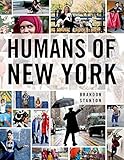
Humans of New York solves the single biggest problem with beach reading, which isn't boredom — it's interruption. You get 20 minutes into a novel and someone wants to go in the water, or the ice cream truck shows up, or you fall asleep face-down and wake up disoriented an hour later trying to remember what chapter you were on. HONY doesn't have that problem, because it isn't built around continuous plot. Every photo and interview stands completely on its own. You can read three entries, close the book, swim, come back three hours later, and open to a random page with zero cost. It's also, unexpectedly, one of the more emotionally substantial books on this list — Brandon Stanton's subjects talk about grief, ambition, and love with an honesty that a lot of "serious" nonfiction doesn't manage. It just happens to also work in 90-second bursts, which is the actual definition of a good beach book.
The nonfiction that doesn't feel like homework
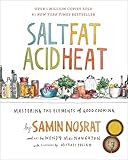
People assume nonfiction is automatically the wrong call for the beach, and that's only true of the bad kind — the kind written in bullet points and framework diagrams, meant to be studied rather than read. The good kind is written in an actual narrative voice, and it disappears just as fast as fiction does. Salt, Fat, Acid, Heat is the clearest example: Samin Nosrat writes about cooking the way a smart, funny friend explains it over a second glass of wine, not the way a textbook explains chemistry. You come away from a chapter actually wanting to cook something, which is a strange but real form of vacation motivation.
Atomic Habits earns its spot for a different reason — it's become such a cultural shorthand ("atomic habits," "habit stacking") that it's easy to forget it's genuinely well-written and well-argued, not just a business-book buzzword generator. James Clear's chapters are short, concrete, and built around actual stories rather than abstract theory, which makes it far more readable in short bursts than most self-improvement books manage. It's the rare "productivity" book you can read at 3pm by the pool without feeling like you brought your job on vacation.

If you want it to actually do something
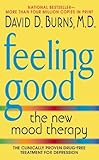
Feeling Good, David Burns' classic on cognitive behavioral therapy, is the odd one out on this list, and it's here on purpose. It's older, plainer, and less "beach-marketed" than everything else — no illustrated cover, no viral TikTok moment. But it's also one of the most quietly effective books ever written for the specific feeling of "I have three uninterrupted hours and nothing pulling at my attention," which describes a beach chair better than almost any other setting in modern life. It's dense in places, more workbook than novel, but it's the pick for anyone who wants their vacation reading to leave them slightly different than it found them, not just entertained for a week and forgotten by Labor Day.
What to actually skip
Skip the shrink-wrapped three-thriller bundle from the airport newsstand unless you're a genuine, committed thriller reader — most people buy it out of habit, get 40 pages in, and abandon it face-down on the nightstand by day two, which means it took up bag space for nothing. Skip anything you're bringing purely because it photographs well on a beach towel; a book you're not actually going to read is dead weight, literally and otherwise. And skip hardcovers, full stop, no exceptions — they're heavy, the corners get destroyed within a day of beach-bag life, and the pages warp the second they meet humidity or a stray splash. If a book only comes in hardcover, it's not a beach book yet. Wait for the paperback.
The gear that makes the whole thing actually work
None of this matters much if the book itself is fighting a losing battle against sand, a soggy bag, or a lukewarm drink by 11am. Three things fix that without overthinking it. First, a bag that isn't precious about getting sandy or wet — something you can shake out and not worry about. Second, sandals you can rinse off and forget, because nobody wants to be picking sand out of sneaker treads on the walk back to the car. Third, and most underrated: something that keeps a cold drink cold for longer than 20 minutes in direct sun, because a warm seltzer next to a good book is its own quiet tragedy.
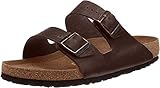
Put those three together with any book from the list above and you've got an afternoon that doesn't require a single apology — not for the book you're reading, not for the drink going warm, not for the sand in everything. That's really the whole standard. Not fancy. Just not embarrassing.
Frequently asked questions
Is it actually okay to read literary fiction on the beach, or does that defeat the purpose?
There's no rule that beach reading has to be mindless. The only real requirement is that a book survives sand, spilled sunscreen, and being put down every 20 minutes to reapply SPF or answer someone yelling about a boogie board. Plot-driven literary fiction, like The Midnight Library, does that just as well as a thriller — arguably better, since you actually remember it in September.
What makes a book bad for the beach, even if it's a good book?
Density is the enemy, not quality. A 700-page novel with a cast of 40 characters and a nonlinear timeline is a wonderful book and a terrible beach book, because you will lose the thread every time a kid runs by. Look for clear prose, forward momentum, and chapters short enough to finish in one sitting before you get pulled into the water.
Are essay collections and photo books actually good for the beach, or is that a cop-out?
They're arguably the smartest beach pick there is. You can read one entry, put the book face-down on your towel, go swim, come back, and pick up a completely different thread without losing anything. Humans of New York works this way — every spread stands alone, so there's zero cost to interruption, which is the actual enemy of beach reading.
Is nonfiction ever a good beach read, or should I stick to novels?
Good nonfiction beats mediocre fiction every time, at the beach or anywhere else. The trick is picking nonfiction written in narrative voice rather than textbook voice — Salt Fat Acid Heat reads like a friend explaining cooking over wine, not a culinary manual. If a nonfiction book has actual sentences instead of bullet points, it survives sand just fine.
What should I actually skip buying for a beach trip?
Skip the shrink-wrapped mass-market thriller three-pack from the airport rack unless you genuinely love that genre — most people buy it out of habit, read 40 pages, and abandon it by day two. Skip anything you're only bringing because it looks smart in a photo. And skip hardcovers entirely; they're heavy, they don't survive a beach bag, and the corners get destroyed in under a day.
What should actually go in a beach bag besides the book?
A bag that isn't precious about sand, a pair of sandals you can rinse off and forget about, and something to keep a cold drink cold longer than 20 minutes in direct sun. None of it is complicated, but all three make the difference between a pleasant afternoon and a slightly miserable one.