I resisted audiobooks for years. I was a reader — a real one, the kind who judges people for dog-earing pages — and the idea of someone reading a book to me felt like cheating. Then I had a commute, a baby, and approximately zero time to sit still with a physical book. Audiobooks fixed it. Here is what finally worked, and why it might work for you too.
The real objections, addressed
"I cannot focus." This is usually a narrator problem. A bad narrator — flat, monotone, wrong pace — is actually hard to follow. A great narrator is almost impossible to stop. Start with a celebrity memoir read by the author or a thriller with a full cast recording.
"I do not retain it." Neither does anyone who reads while distracted. The solution is to listen during activities that require just enough of your brain to prevent mind-wandering — walking, commuting, doing dishes — but not so much that you are actually thinking about something else.
"I prefer real books." You can do both. Audiobooks are for time that would otherwise be dead — commutes, errands, treadmill sessions. Nobody is asking you to stop reading.
What to start with: books where the narrator makes it
Atomic Habits on audio is excellent — James Clear reads it himself and the pacing is exactly right for someone doing something mindless while listening. Perfect commute book.

The Midnight Library is atmospheric fiction that works beautifully on audio. The narrator gives each character a distinct voice, and the story moves fast enough to pull you back in every time you tune out for a second.

Why nonfiction works better on audio than you expect
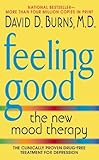
The best nonfiction audiobooks — business, memoir, psychology — are essentially extended conversations. Feeling Good by David Burns has helped more people with anxiety than almost any book in print, and it reads almost like a therapy session on audio.
The trick: matching book type to activity
Not every book works for every activity. Driving: narrative nonfiction or thrillers with clear plots. Walking: essays, memoirs, anything conversational. Gym: high-energy nonfiction, business books, stand-up comedy specials (yes, those exist). Dishes / cooking: literally anything — this is the best audiobook time there is.
Start your free trial
How do I actually focus on audiobooks?
Pair listening with a physical activity that occupies your hands but not your full attention — walking, driving, cooking, folding laundry. If you try to listen while working or scrolling, you will retain almost nothing. The goal is to make audiobook time something you look forward to, not something you multitask badly.
Which audiobook format is best for beginners?
Celebrity memoirs read by the author, or thrillers with full cast recordings. Both are easy to follow because the narrator does the work of keeping you oriented. Avoid dense academic books or anything with lots of charts referenced in the text — those are hard to follow on audio.
Is Audible worth the monthly subscription?
If you listen to more than one book a month, yes. One credit per month at around $15 covers most books, plus you get access to the Plus catalog of included titles at no extra cost. Cancel anytime and keep your purchased books. The free trial is genuinely no-risk.
Can I try a book before committing?
Yes — every Audible title has a free sample, usually 5 minutes. Listen to the sample before buying to make sure you can tolerate the narrator. This is the most important step most people skip.
What speed should I listen at?
Start at 1x. Once you are comfortable, most people find 1.25x or 1.5x feels natural and slightly faster without losing comprehension. Go higher than 2x and most people stop retaining content. Find your speed with something you have already read once.