Here's the thing about aromatherapy diffusers: the marketing photos always show someone meditating in a sun-drenched room while a wisp of mist curls picturesquely through the air. What the photos don't show is the sound. The gurgling. The low-grade motor hum that turns your wind-down routine into the ambient soundtrack of a fish tank with a pump problem.
I've tested a lot of diffusers. My criteria is simple: it has to actually be quiet enough to run while I'm sleeping, reading, or working. That eliminates about half the options at any given price point. The other half — the ones that stay on this list — diffuse efficiently, hold enough water for a full evening, and don't require a PhD to refill. Here's what survived.
Why most diffusers are loud (and how to spot one before you buy)
Most consumer diffusers use ultrasonic technology — a small vibrating disc at the bottom of the water tank that breaks water and essential oil into a fine mist. Done well, this is nearly silent. Done cheaply, the disc vibrates unevenly, the water level amplifies the sound, and you end up with a low, persistent hum or gurgle that you absolutely notice in a quiet room.
The factors that predict noise:
- Tank construction. Thin plastic tanks resonate and amplify motor vibration. Thicker materials — ceramics, glass-lined tanks — don't.
- Water level. Many diffusers are loudest when the tank is nearly empty. Check reviews for "loud when low" complaints — this is a real and common issue.
- Disc quality. Cheap ultrasonic discs wear unevenly. A $20 diffuser that's quiet on day one often isn't by month three.
- Fan diffusers. These use a literal fan to disperse oil onto a pad. They are almost always louder than ultrasonic models. Skip them for bedroom use.
The best proxy for quiet? Price isn't it. Reviews specifically mentioning noise (or the absence of it) are. I've done that reading for you.
The quietest diffusers actually worth buying
My top pick for most people is the URPOWER 300ml — it's been around long enough to have thousands of honest reviews, it runs silently on low mist mode, and the auto shut-off means you can start it before bed and forget about it. But there are better options depending on what you need, so here's the full rundown.

If you want something that looks like it belongs in an actual wellness space (not a dorm room), the InnoGear 500ml is the step up. Larger tank, more coverage for bigger rooms, and the diffusion is genuinely whisper-quiet. It's become my bedroom default.

For anyone who wants aromatherapy without water at all, a reed diffuser is the truly silent option. No motor, no disc, no electricity. The scent disperses slowly and continuously without any intervention from you. The Hotel Collection Reed Diffuser is one of the better ones — the fragrance quality is noticeably above the grocery store options, and it doesn't go sour after a few weeks the way cheap ones do.

The oils matter as much as the diffuser
A quiet diffuser running synthetic fragrance oil is not aromatherapy — it's air freshener. The distinction matters because true essential oils (cold-pressed or steam-distilled from actual plant material) have real physiological effects. Lavender for sleep and anxiety is one of the most well-researched interventions in the category. Peppermint for focus and energy. Eucalyptus for respiratory clearance. These aren't placebo claims — there's legitimate research behind the major ones.
What to look for on the label:
- Latin name listed (Lavandula angustifolia, not just "lavender")
- "100% pure essential oil" — not "fragrance oil" or "perfume oil"
- Country of origin and extraction method
- Opaque or dark glass bottle (light degrades oils)
The Plant Therapy brand hits all of these and is GC/MS tested (third-party purity verification). Their starter kit is the best entry point I've found.
What to skip: loud diffusers and cheap fragrance oils
The category is full of products that look identical in listing photos but perform very differently. Here's what to avoid:
- Any diffuser under $15 with more than 200ml capacity. At this price point, the ultrasonic disc quality is almost always poor. You'll notice the noise within a week and the performance degrades within a few months.
- Fan-based diffusers for bedroom use. These use a small fan to push air over an oil-soaked pad. They work fine for coverage but the fan noise makes them a non-starter for sleep or focus work.
- "Plug-in" oil warmers. These heat the oil rather than dispersing it, which degrades the chemical compounds and reduces (or eliminates) the therapeutic effect. The scent is there; the benefit isn't.
- Fragrance oils marketed as essential oils. These are synthetic compounds that smell like the real thing but don't have the same effects. The label will say "fragrance oil" or omit the Latin plant name. Skip them.
- Diffusers with LED lights you can't turn off. This sounds minor until you're trying to sleep with a pulsing blue glow across the room. Always verify the lights can be disabled completely.
The diffuser category rewards reading reviews carefully. Look for mentions of noise in the 3-star reviews specifically — that's where honest assessments live, not the 5-star enthusiast responses or the 1-star "it broke in a week" outliers.
Setting up a real aromatherapy routine (that you'll actually maintain)
The people who get consistent benefit from aromatherapy aren't the ones with the most impressive diffuser setups. They're the ones who've made it zero-friction. That means:
- Keep the diffuser out and filled. If you have to get it from a cabinet, fill it, find the oils, and plug it in, you won't do it on a Tuesday night when you're tired. Keep it on your nightstand or desk, filled and ready.
- Pre-mix your blends. Get a few small dark glass bottles and pre-mix your go-to combinations (lavender + cedarwood for sleep, peppermint + rosemary for focus). Add a few drops directly to your diffuser instead of measuring every time.
- Tie it to an existing habit. Diffuser goes on when you start your wind-down routine, or when you sit down to work. Pairing it with an existing trigger means you don't have to remember it separately.
- Run it on intermittent mode. Constant mist fills a room quickly and wastes oil. Intermittent (30 seconds on, 30 seconds off) is gentler, makes oil last longer, and provides the same effect.
If you want to build a more complete wind-down environment, a Stanley Quencher or similar on the nightstand next to the diffuser is a genuinely useful pairing — hydration before bed, warm herbal tea, quiet diffuser running. The combination does more for sleep than any single supplement.

Upgrading the whole atmosphere: diffuser pairings worth considering
A diffuser works better when the rest of the environment supports it. Scent is closely linked to the limbic system — the part of your brain that processes emotion and memory — which means the effect is amplified or undermined by what else is happening in the room. These pairings actually matter:
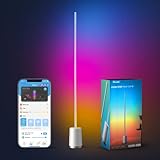
Lighting: Bright overhead light kills any relaxation benefit from aromatherapy. A warm floor lamp or dimmable bulb does what the scent can't do alone. The Govee Corner Floor Lamp I use has warm-white and true-warm modes that pair extremely well with a diffuser running lavender.
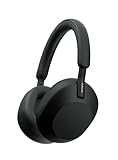
Sound: If your diffuser is quiet enough, you notice it working. If you want to take it further, the same logic applies to sound — quiet diffuser, no TV, maybe brown noise or a lo-fi playlist. The Sony WH-1000XM5 headphones are the best I've used for creating a sonic boundary when you need to focus or wind down without complete silence.
Weighted blanket: The combination of lavender diffuser + weighted blanket is backed by more research than almost any other sleep intervention combination. The Bearaby Cotton Napper (linked above in section 2) is the one worth the price. If budget is a constraint, any 15–20lb weighted blanket will do the job — the weight is what matters, not the brand.
Do aromatherapy diffusers actually work, or is it all placebo?
There's genuine research behind several essential oils. Lavender (Lavandula angustifolia) has the strongest evidence base — multiple randomized controlled trials show measurable effects on anxiety and sleep latency. Peppermint and rosemary have research behind cognitive performance. The key is using actual essential oils (not fragrance oils) and getting enough exposure — which means a quality diffuser running in a reasonably sized room. The placebo component is real too, but "it works partly through expectation" is true of most effective interventions, including exercise.
How many drops of essential oil should I use?
The standard starting point is 3–5 drops per 100ml of water. For a 300ml tank, that's 9–15 drops. Start on the lower end — more isn't better and overexposure to strong oils (especially eucalyptus and peppermint) can cause headaches. If you're running the diffuser in a small bedroom, 5–8 drops total is usually enough. You can always add more; you can't take it back once it's in the water.
Are diffusers safe around pets?
This is important: several essential oils are toxic to cats and dogs, even in diffuser quantities. Cats are particularly sensitive because they lack the liver enzyme to process certain compounds. Oils to avoid completely around cats: tea tree, eucalyptus, peppermint, citrus oils, cinnamon, clove. Oils generally considered safer: lavender (in moderation), cedarwood, frankincense. If you have pets, run the diffuser in a room they don't have access to, ensure the room is ventilated, and use lower concentrations. When in doubt, consult your vet before starting an aromatherapy routine in a multi-pet household.
How do I clean my diffuser so it doesn't get moldy?
Empty and wipe the tank after every use — don't let water sit in it. Once a week, do a deeper clean: fill the tank halfway with water, add a teaspoon of white vinegar, run it for 5 minutes, then drain and wipe dry. Monthly, use a cotton swab with rubbing alcohol to clean the ultrasonic disc (the small ceramic disc at the bottom of the tank). A properly maintained diffuser should last 2–3 years without performance degradation. A neglected one starts smelling musty within a month and loses diffusion efficiency.
What's the difference between a diffuser and a humidifier?
Humidifiers add moisture to the air and are designed for consistent, significant water output — they're for dry air, winter dryness, respiratory relief. Diffusers disperse a fine mist primarily to carry essential oil molecules through the air; the water output is minimal and won't meaningfully change room humidity. Some products market themselves as "humidifying diffusers" but they're almost always diffusers first. If you need actual humidity control, get a dedicated humidifier. If you want aromatherapy, get a diffuser. They're different tools for different jobs.
Can I use a diffuser while I sleep?
Yes, with a few conditions. Use a diffuser with auto shut-off when the water runs out (virtually all modern ones have this). Run it on intermittent mode rather than continuous — it makes oil last longer and prevents over-saturation. Keep the room ventilated; cracking a window a few inches is ideal. Start with mild oils (lavender, cedarwood) rather than stimulating ones (peppermint, citrus). And if you have asthma, respiratory conditions, or share the room with pets or children, consult a doctor or vet first. For most healthy adults, a quiet diffuser running lavender while you sleep is genuinely beneficial and poses no risk.